
What a Plumbing Inspection Actually Covers (And What Most Homeowners Miss)

Many homeowners hear the phrase plumbing inspection and assume it means a quick look under the sink. In reality, a true plumbing inspection is far more detailed and far more valuable. When done correctly, it can uncover hidden issues, prevent expensive repairs, and extend the life of your entire plumbing system.
For homeowners in St. Charles County, where homes range from new construction to decades-old properties, understanding what a plumbing inspection actually includes helps you make smarter decisions and avoid surprises.
Why Plumbing Inspections Are Often Misunderstood
Unlike electrical or HVAC systems, plumbing operates mostly out of sight. Pipes run behind walls, under floors, and underground. Because problems are not always visible, many homeowners assume everything is fine until a leak or backup occurs.
A professional plumbing inspection is designed to catch issues early, before they turn into damage or disruption.
When Homeowners Should Schedule a Plumbing Inspection
A plumbing inspection is recommended in several situations:
- Annually as preventative maintenance
- Before buying or selling a home
- After experiencing recurring plumbing issues
- Following major renovations
- When water bills increase unexpectedly
- If your home is over 15 years old
Inspections are not just for emergencies. They are tools for long-term home protection.
What a Full Plumbing Inspection Actually Covers
Water Supply Lines
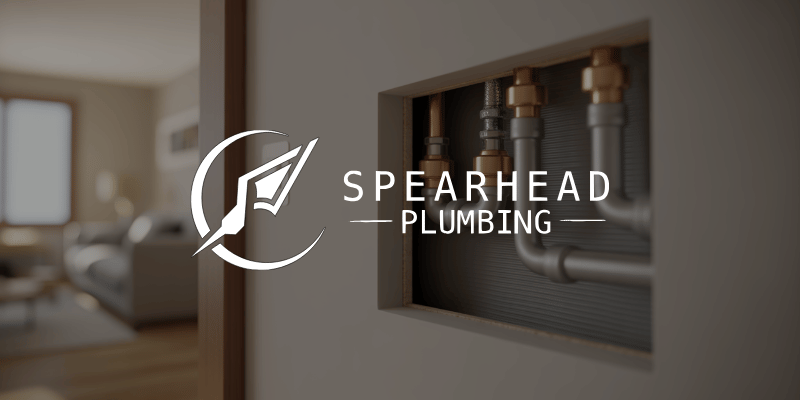
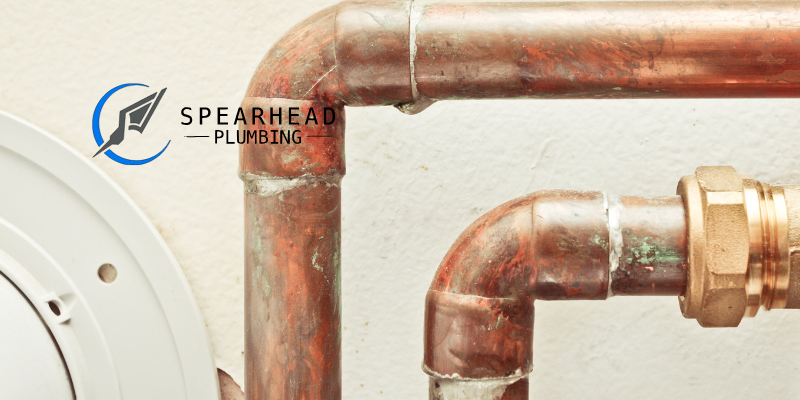
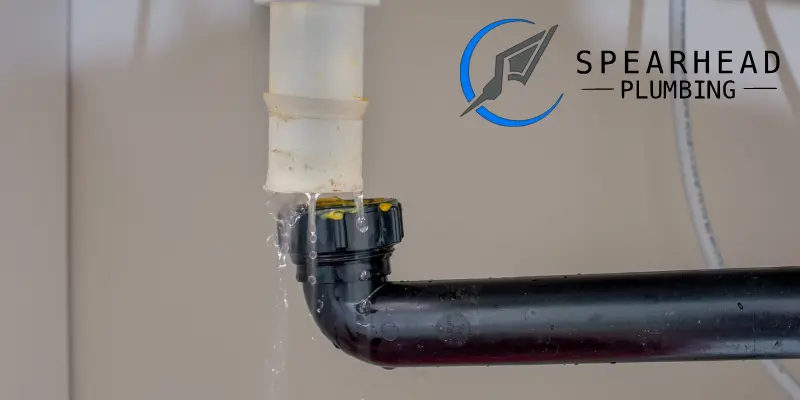
Supply lines bring clean water into your home. During an inspection, plumbers check for:
- Leaks at joints and fittings
- Signs of corrosion or wear
- Improper materials or outdated piping
- Secure connections to fixtures and appliances
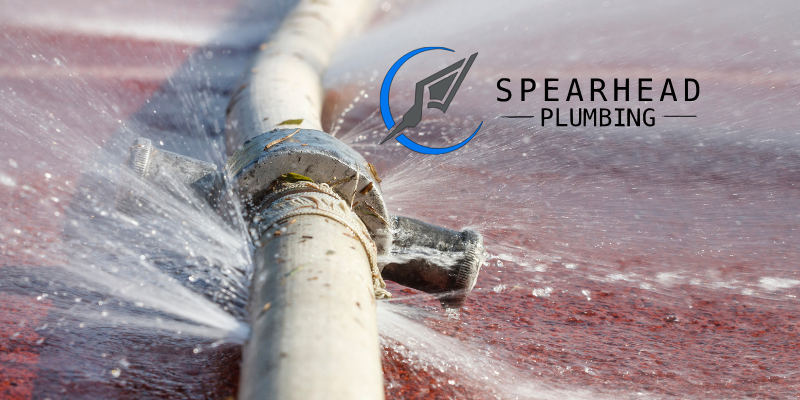
Hidden supply line leaks are one of the most common causes of water damage and high utility bills.
Shutoff Valves and Control Valves
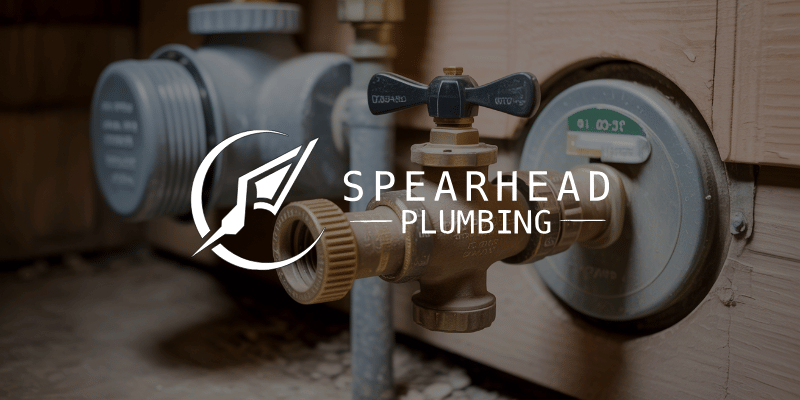
Every home relies on shutoff valves to control water flow. Inspectors verify that:
- Main shutoff valves function properly
- Fixture shutoff valves fully close
- Valves are not leaking or seized
- Emergency shutoff access is clear
Failing valves are often addressed through professional valve repair services.
Fixtures and Faucets
Sinks, toilets, tubs, and showers are inspected for:
- Leaks and drips
- Proper water pressure
- Secure mounting
- Worn seals or washers
- Efficient operation
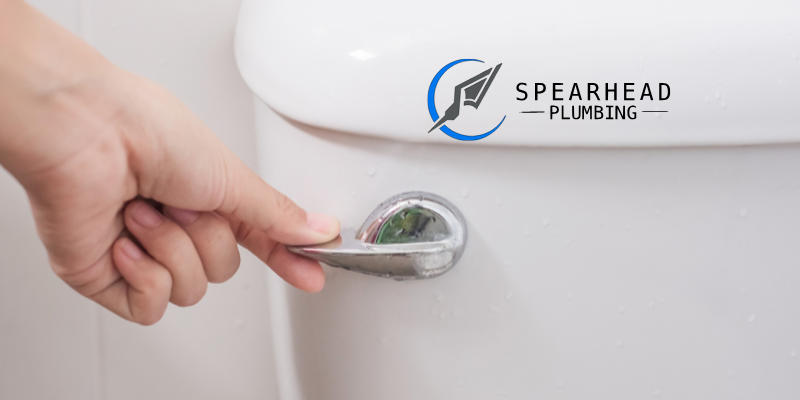
Toilets are a major focus because silent leaks can waste significant amounts of water. These issues often require toilet repair services.
Drainage System Evaluation
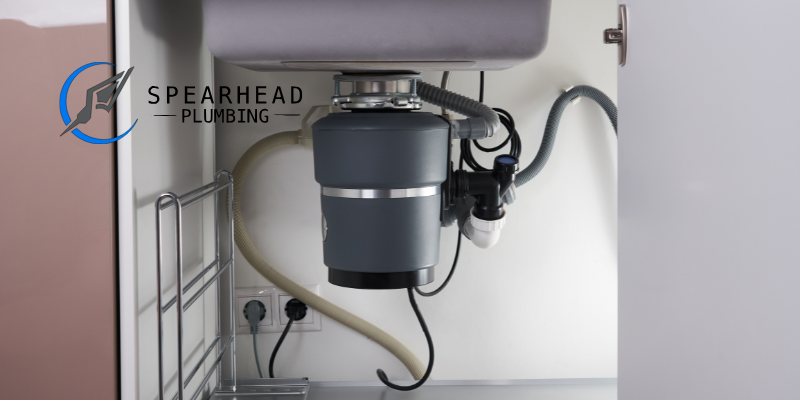
Inspectors assess how wastewater leaves your home by checking:
- Drain flow speed
- Signs of partial blockages
- Gurgling or bubbling
- Floor drain function
- Proper venting
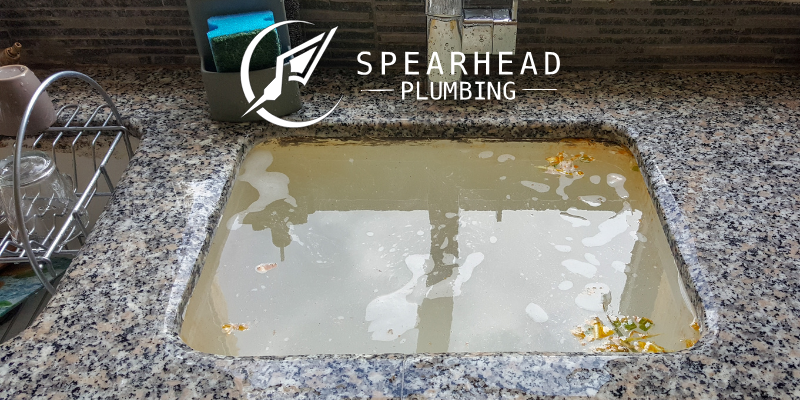
Drain issues are often early indicators of larger system problems addressed through toilet and drain repair.
Vent Pipes and Airflow
Plumbing vents allow air into the system so water can drain correctly. Inspections include:
- Checking for blockages
- Verifying proper vent placement
- Identifying airflow issues
- Detecting signs of vent collapse or damage
Venting problems often cause slow drains and pipe noise.
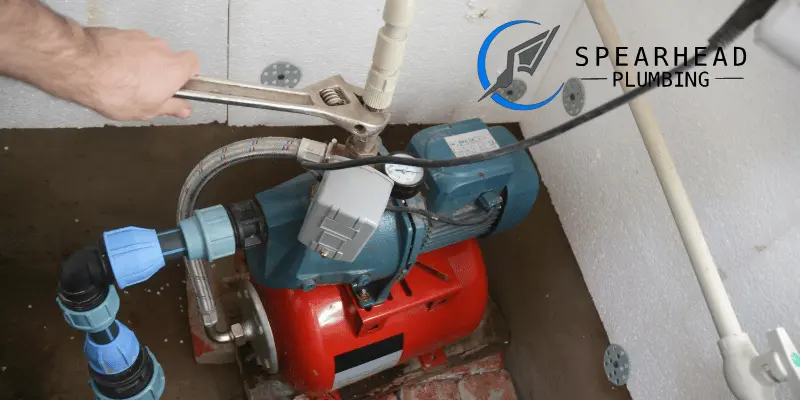
Water Pressure Testing
Water pressure is measured to ensure it falls within safe operating ranges. Excessive pressure can damage pipes, fixtures, and appliances over time.
Pressure problems often contribute to leaks and premature component failure.
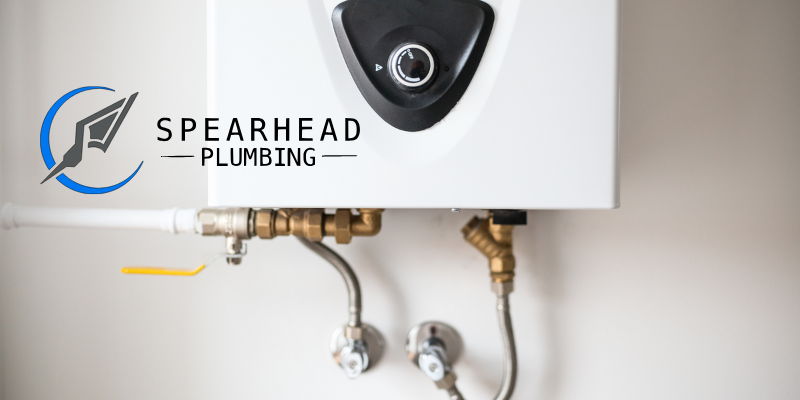
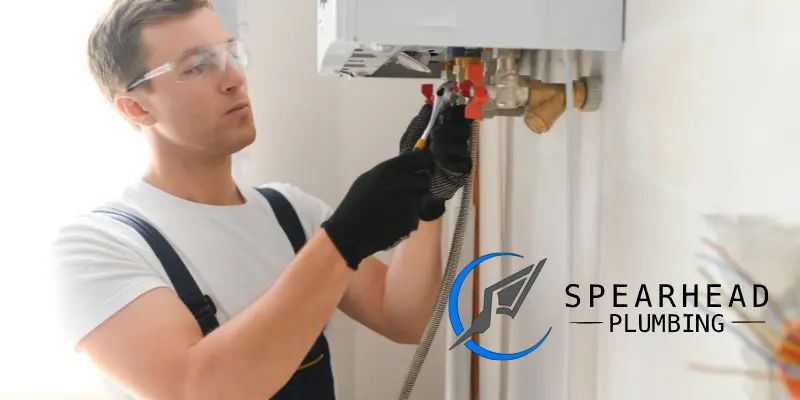
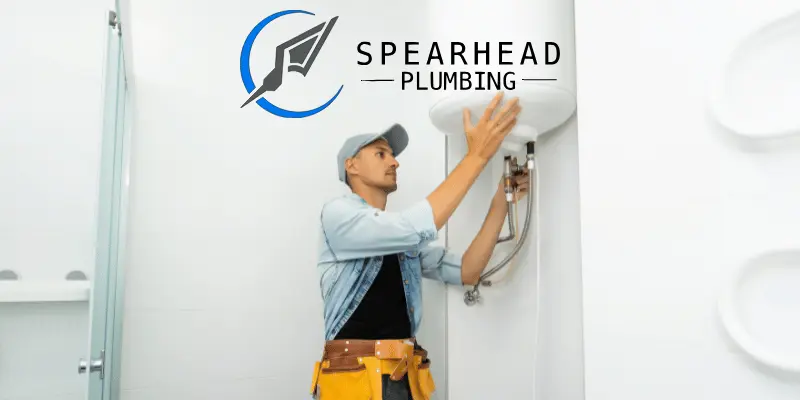
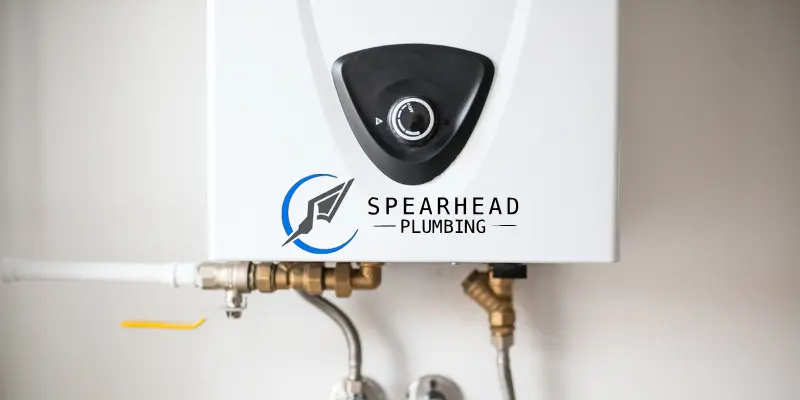
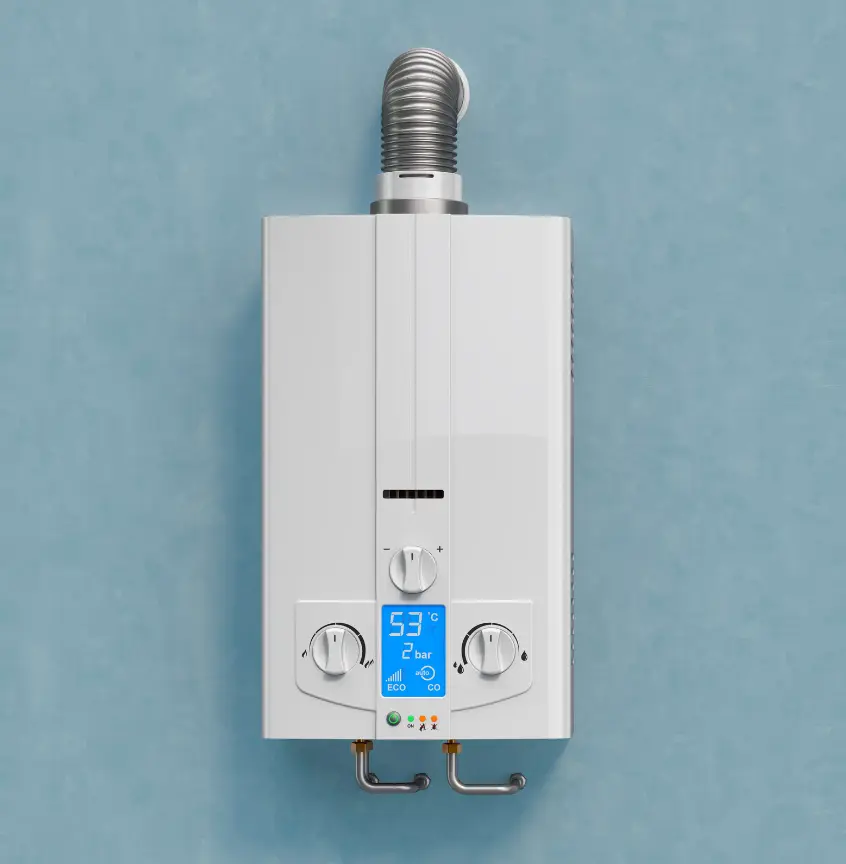
Water Heater Inspection
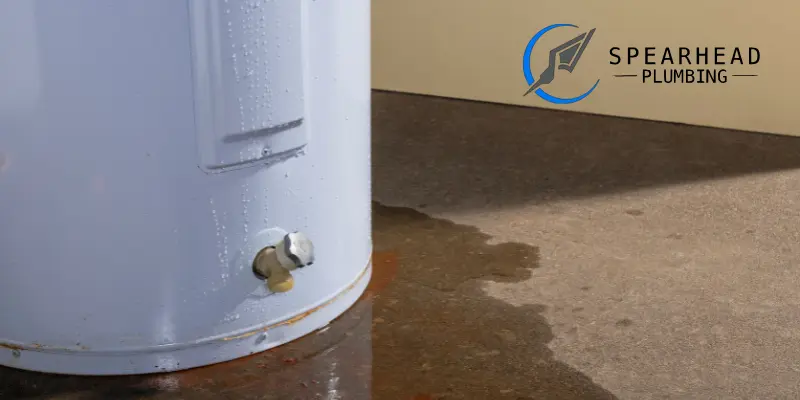
Water heaters are critical and expensive components. During an inspection, plumbers check:
- Temperature and pressure relief valves
- Signs of corrosion or leakage
- Sediment buildup
- Venting and safety compliance
- Proper operation
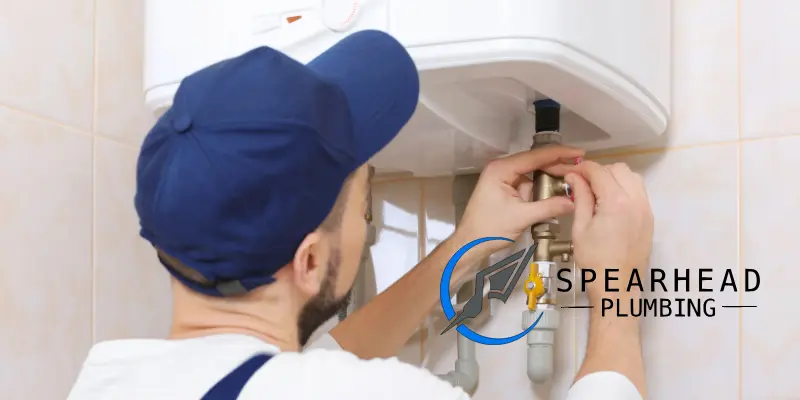
Many issues discovered here are resolved through water heater repair services.
Appliance Connections
Dishwashers, washing machines, and refrigerators are inspected for:
- Secure supply lines
- Proper drainage
- Leak prevention
- Valve function
Appliance-related leaks are common sources of hidden water damage.
Visible Pipe Condition
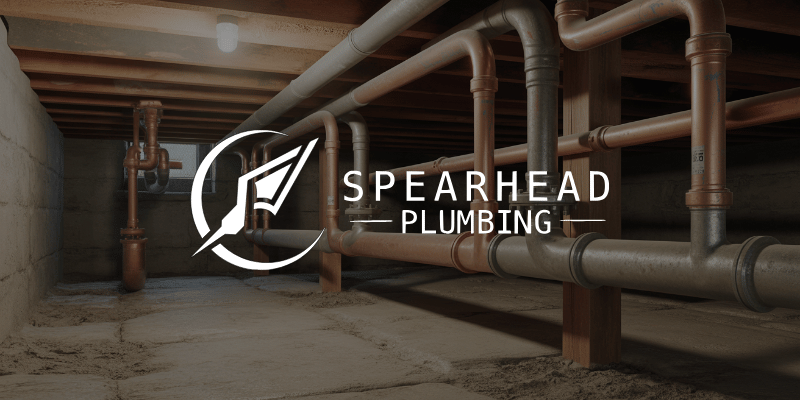
Exposed pipes in basements, crawlspaces, and utility rooms are checked for:
- Corrosion
- Improper support
- Signs of previous repairs
- Moisture or staining
These visual clues often point to deeper issues.
Leak Detection and Moisture Assessment
When necessary, plumbers use tools to detect hidden leaks behind walls or under floors. This is especially important if water usage has increased without explanation.
Leak detection is a core part of professional leak repair services.
What Many Homeowners Miss Without an Inspection
Homeowners often focus on what they can see. Inspections reveal what they cannot.
Common missed issues include:
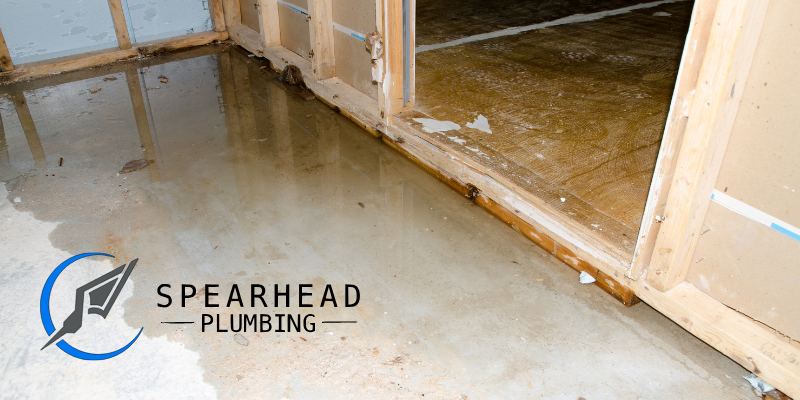
- Slow leaks inside walls
- Partially blocked drain lines
- Failing pressure regulators
- Aging shutoff valves
- Mineral buildup inside pipes
- Improper pipe slope
- Early-stage corrosion
These problems rarely fix themselves and usually worsen over time.
Why Missouri Homes Benefit From Regular Inspections
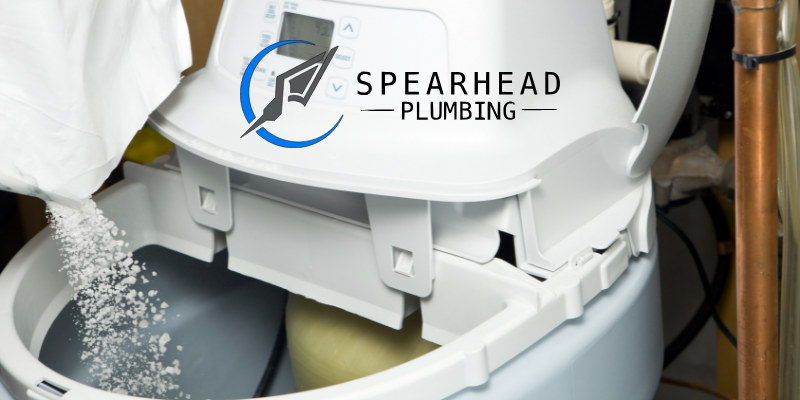
Hard Water Conditions
Minerals accelerate wear on valves, seals, and fixtures.
Seasonal Weather Changes
Freeze-thaw cycles stress pipes and joints, increasing leak risk.
Older Housing Stock
Many St. Charles homes still use older materials that require closer monitoring.
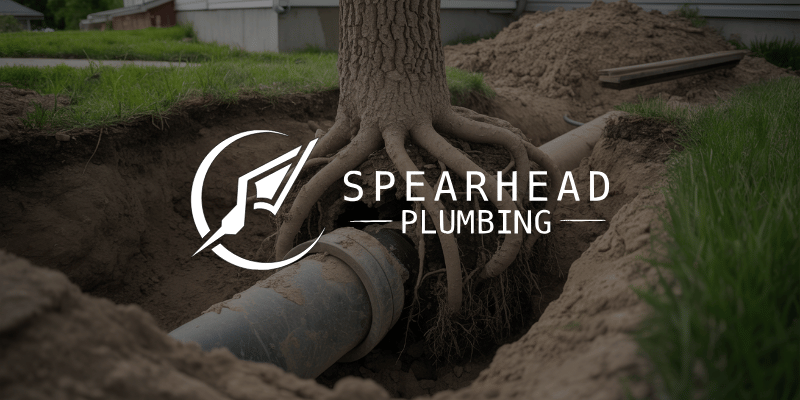
Tree Growth and Soil Movement
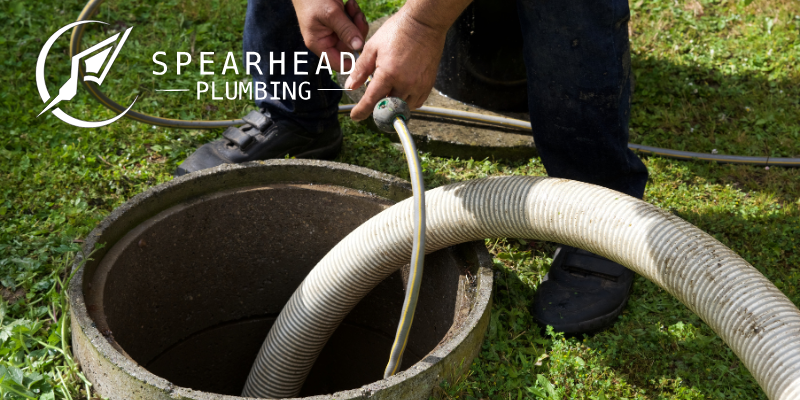
These factors affect underground drain and sewer lines.
How Inspections Save Money Over Time
A plumbing inspection may seem optional, but it often prevents:
- Emergency repairs
- Water damage restoration
- Mold remediation
- Appliance replacement
- Structural repairs
- Higher utility bills
Preventative inspections are far less expensive than reactive repairs.
What a Plumbing Inspection Does Not Include
It is important to understand limits. Inspections do not automatically include:
- Full sewer line replacement
- Cosmetic fixture upgrades
- Major remodeling work
However, inspections identify when those services may be needed and help you plan ahead.
How Spearhead Plumbing Approaches Inspections
Spearhead Plumbing takes a system-wide approach. Their inspections are not rushed and not limited to surface-level checks.
They evaluate how each component interacts with the rest of the system, ensuring long-term reliability and safety. This approach is part of their comprehensive plumbing services in St. Charles.
How Often Should Inspections Be Scheduled
Most homeowners benefit from annual inspections. Homes with older plumbing, hard water issues, or past repairs may need more frequent evaluations.
Inspections before home purchases or major renovations are especially important.
Signs You Need an Inspection Soon
You should schedule an inspection if you notice:
- Higher water bills
- Repeated plumbing repairs
- Slow drains in multiple areas
- Pipe noises
- Inconsistent water pressure
- Water stains or musty odors
These are signs that small issues may already be developing.
Final Thoughts
A plumbing inspection is not just a checklist. It is a comprehensive evaluation of one of your home’s most important systems.
Understanding what inspections actually cover helps homeowners make informed decisions and avoid costly surprises.
If you want clarity about the condition of your plumbing system, Spearhead Plumbing is ready to help.
Contact Spearhead Plumbing today to schedule a professional plumbing inspection and protect your home long-term.