

How Often Should You Replace Plumbing Valves and Shutoffs?

Most homeowners never think about plumbing valves until one fails. Unfortunately, when a valve stops working, it usually does so at the worst possible time. A leaking shutoff valve, a frozen handle, or a valve that will not fully close can quickly turn a small plumbing issue into water damage, lost time, and unnecessary expense.
For homeowners in St. Charles County and throughout Missouri, understanding how plumbing valves work, how long they last, and when they should be replaced is a key part of protecting your home.
Why Plumbing Valves Matter More Than You Think
Plumbing valves control how water moves through your home. They allow you to isolate fixtures, appliances, and entire sections of your plumbing system. When valves function properly, they give you control. When they fail, you lose it.
A working shutoff valve can mean the difference between a minor repair and a flooded home.
Common Types of Plumbing Valves in Homes
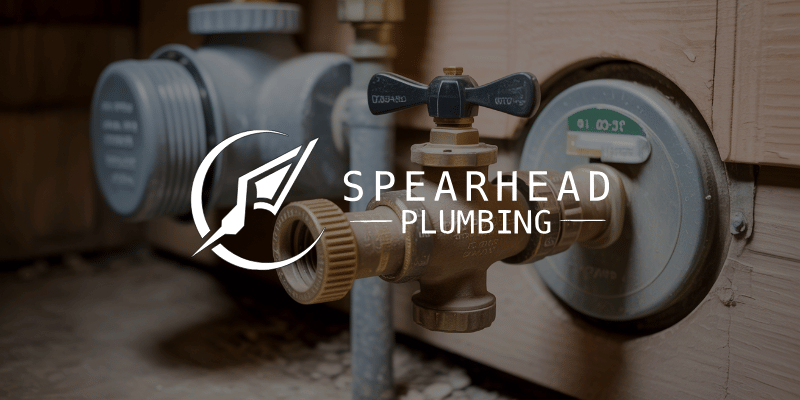
Main Water Shutoff Valve
This valve controls all water entering your home. If it fails or cannot close fully, stopping a major leak becomes extremely difficult.
Main shutoff valves are one of the most important components in any plumbing system.
Fixture Shutoff Valves
These smaller valves control water flow to sinks, toilets, dishwashers, washing machines, and refrigerators. They allow repairs without shutting off water to the entire home.
Fixture shutoffs are often the first valves to fail due to frequent use and mineral buildup.
Appliance Supply Valves
Appliance valves regulate water to specific equipment. When they leak or stick, appliances may continue drawing water even when turned off.
These valves are often overlooked during routine maintenance.
Pressure Regulating Valves
Some homes use pressure regulating valves to control incoming water pressure. When these fail, pressure can rise too high or drop too low, stressing the entire system.
Pressure-related valve failures often cause leaks throughout the home.
How Long Plumbing Valves Typically Last
Valve lifespan varies depending on material, water quality, usage, and installation quality.
- Brass valves often last 15 to 20 years
- Plastic valves may fail sooner under pressure or heat
- Older gate valves may seize or corrode over time
- Valves exposed to hard water degrade faster
In Missouri homes with hard water, valve replacement is often needed sooner than expected.
Signs a Plumbing Valve Is Failing
Valves rarely fail without warning. Common signs include:
- Difficulty turning the handle
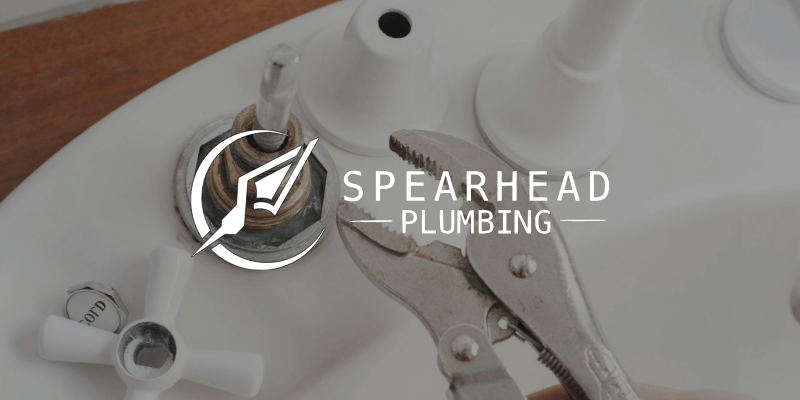
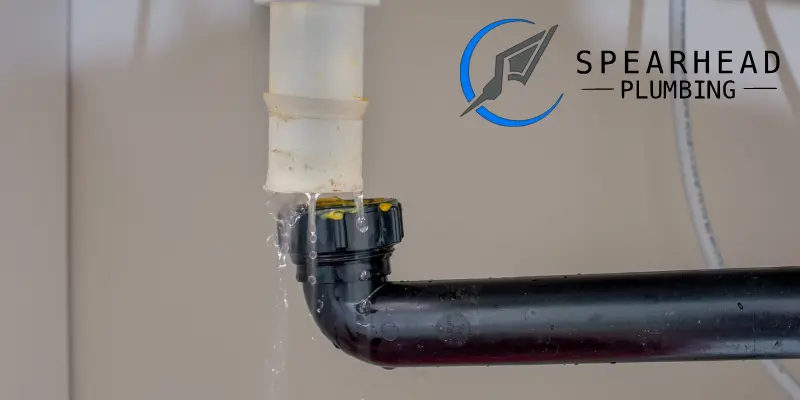
- Water leaking around the valve stem
- A valve that will not fully close
- Corrosion or mineral buildup
- Grinding or squeaking when turning
- Dripping even when shut off
These symptoms indicate that replacement should be planned, not delayed.
Why Old Valves Become a Serious Risk
Mineral Buildup From Hard Water
Hard water leaves deposits inside valves, preventing seals from closing properly. Over time, this leads to leaks or stuck handles.
Internal Corrosion
Older metal valves corrode internally, even if they look fine on the outside. Corrosion weakens the valve body and can cause sudden failure.
Seized Valves During Emergencies
Valves that have not been used in years often seize shut. When you need them most, they refuse to turn.
Valve Failure During Repairs
Plumbers often discover failing valves when attempting routine repairs. A valve that cannot shut off water safely must be replaced before work can continue.
This is why valve condition is often checked during plumbing inspections.
When Valves Should Be Replaced Proactively
Waiting for a valve to fail is risky. Proactive replacement is recommended when:
- Your home is over 15 years old
- Valves are original to the house
- Handles are stiff or corroded
- You have experienced previous leaks
- You are upgrading fixtures or appliances
- Water pressure issues are present
Replacing valves during planned maintenance is far less stressful than emergency replacement.
Why DIY Valve Replacement Is Risky
Many homeowners attempt valve replacement themselves. While some replacements are straightforward, mistakes can cause major damage.
Common DIY risks include:
- Improper sealing causing leaks
- Cracked pipes during removal
- Incorrect valve sizing
- Damage to surrounding fittings
- Inability to shut off the main water supply
Professional valve replacement ensures proper installation and long-term reliability through trusted valve repair services.
How Plumbers Replace Valves Safely
Step 1: Water Shutoff Verification
Plumbers confirm that the main shutoff functions correctly before beginning work.
Step 2: Pipe and Valve Assessment
Existing pipes are inspected for corrosion or weakness to prevent damage during removal.
Step 3: Proper Valve Selection
Valves are selected based on pipe material, water pressure, and fixture requirements.
Step 4: Secure Installation
New valves are installed using proper sealing methods to prevent leaks and ensure smooth operation.
Step 5: Pressure and Leak Testing
The system is tested under pressure to confirm correct installation.
This process ensures reliability and safety.
Valves and Their Connection to Other Plumbing Issues
Failing valves often contribute to:
- Running toilets
- Dripping faucets
- Appliance leaks
- Water pressure fluctuations
- Higher water bills
These issues frequently overlap with leak repair services and fixture repairs.
Missouri-Specific Factors That Affect Valve Lifespan
Hard Water Conditions
Minerals accelerate wear on internal seals and moving parts.
Seasonal Temperature Changes
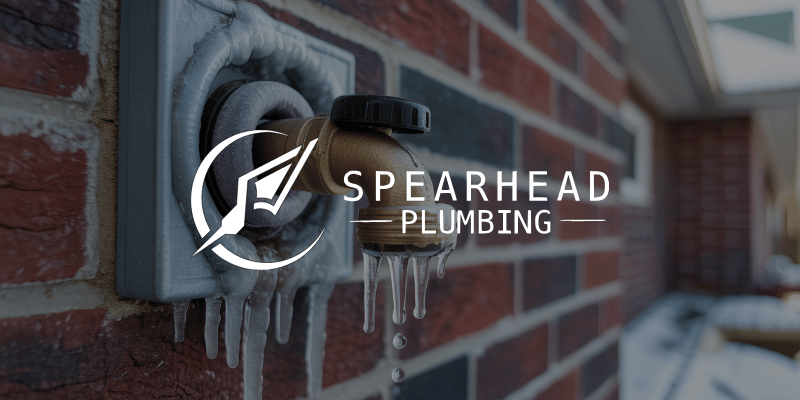
Freeze-thaw cycles stress pipes and valves, especially near exterior walls.
Older Plumbing Materials
Older pipes paired with newer valves require careful installation to prevent failure.
How Often Should Valves Be Inspected
Valves should be checked during annual plumbing inspections. This helps identify early signs of failure before leaks occur.
Inspections also confirm that valves are accessible and functional in case of emergencies.
Preventing Valve Problems Over Time
- Turn shutoff valves on and off once or twice a year
- Address stiffness or leaks immediately
- Avoid forcing stuck valves
- Replace aging valves proactively
- Schedule routine inspections
These steps extend valve lifespan and reduce risk.
How Spearhead Plumbing Handles Valve Replacement
Spearhead Plumbing evaluates valve condition as part of a complete system assessment. Their team replaces failing valves with durable components designed for Missouri water conditions.
This proactive approach is part of their comprehensive plumbing services in St. Charles and helps homeowners avoid emergencies.
When Valve Replacement Should Not Be Delayed
Call a professional immediately if:
- A valve leaks when turned
- The handle breaks or spins freely
- Water cannot be fully shut off
- Corrosion is visible
- Valves fail during a repair attempt
Delaying replacement increases the risk of water damage.
Final Thoughts
Plumbing valves are small components with a big job. When they work, they protect your home. When they fail, they create chaos.
Understanding how often valves should be replaced and addressing issues early helps you stay in control of your plumbing system.
If you are unsure about the condition of your shutoff valves, Spearhead Plumbing is ready to help.
Contact Spearhead Plumbing today to schedule a valve inspection or replacement and protect your home.