
How Tree Roots Damage Sewer Lines in St. Charles (And What You Can Do About It)

Mature trees are one of the best parts of living in St. Charles County. Established neighborhoods in St. Charles, St. Peters, O’Fallon, and Lake Saint Louis are known for large shade trees and well-landscaped yards.
But those same trees can quietly destroy your sewer line.
Tree root intrusion is one of the most common causes of sewer backups in Missouri homes. Because the damage happens underground, many homeowners do not realize there is a problem until drains start gurgling or wastewater backs up into the basement.
If you understand how roots invade pipes and what warning signs to watch for, you can prevent a minor intrusion from turning into a full sewer line failure.
Why Tree Roots Target Sewer Lines
Tree roots do not randomly attack plumbing. They are searching for moisture and nutrients.
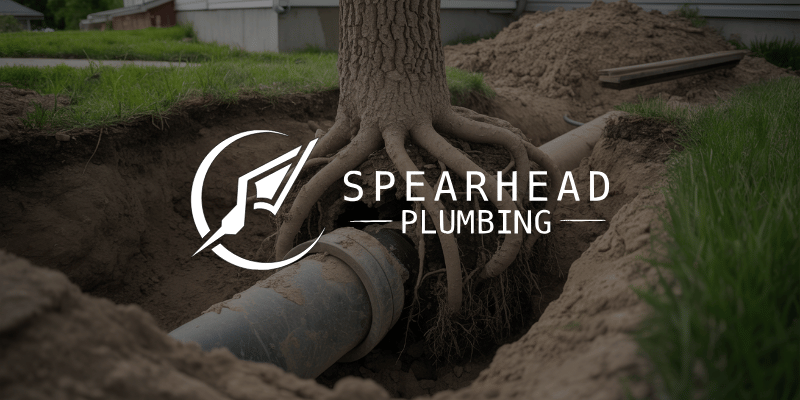
Even the smallest crack or loose joint in a sewer pipe releases water vapor. Roots sense that moisture and naturally grow toward it. Once they reach the pipe, they push into tiny openings and begin expanding inside the line.
Over time, those roots:
- Thicken and spread
- Trap debris and waste
- Slow drainage
- Create blockages
- Widen cracks in the pipe
What starts as a hairline intrusion can become a complete obstruction.
Why St. Charles County Homes Are Vulnerable
Older homes in St. Charles and St. Peters often have clay or cast iron sewer lines. Clay pipes are especially vulnerable because they are installed in sections joined by mortar. Those joints naturally weaken over time.
Missouri soil movement also contributes to pipe shifting. As soil expands and contracts, joints loosen, making it easier for roots to enter.
Homes with large maple, oak, or sycamore trees nearby are at higher risk.
Early Warning Signs of Root Intrusion
Root damage rarely begins with a sudden backup. The signs usually appear gradually.
1. Slow Drains Throughout the Home
If multiple sinks, tubs, and toilets begin draining slowly at the same time, the problem may not be isolated to one fixture.
When roots partially block the main sewer line, all drains feel the effect.
2. Gurgling Sounds
Air trapped behind root blockages can create bubbling or gurgling noises when water drains.
These sounds often come from basement floor drains or lower-level fixtures.
3. Recurring Clogs
If you clear a clog and it keeps returning within weeks, roots may be catching debris inside the pipe.
Recurring problems are a strong indicator that the issue is deeper in the sewer line.
You can review professional toilet and drain repair services if these symptoms sound familiar.
4. Sewer Odors
Partial blockages slow wastewater movement. When waste lingers in the pipe, sewer smells may rise through drains.
Persistent odor combined with slow drainage is a red flag.
5. Sewage Backup in Basement Drains
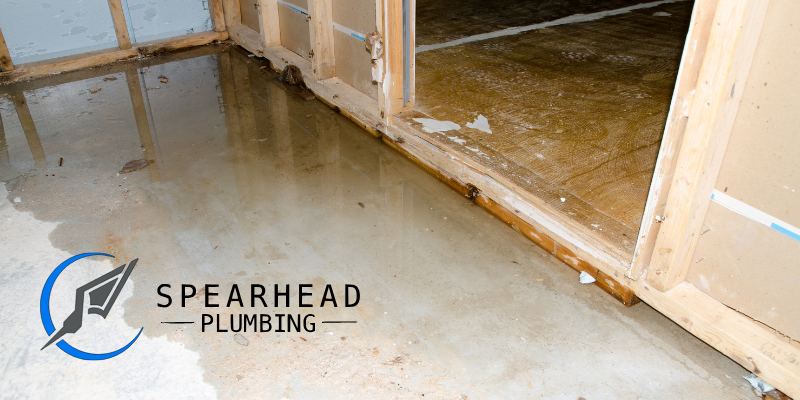
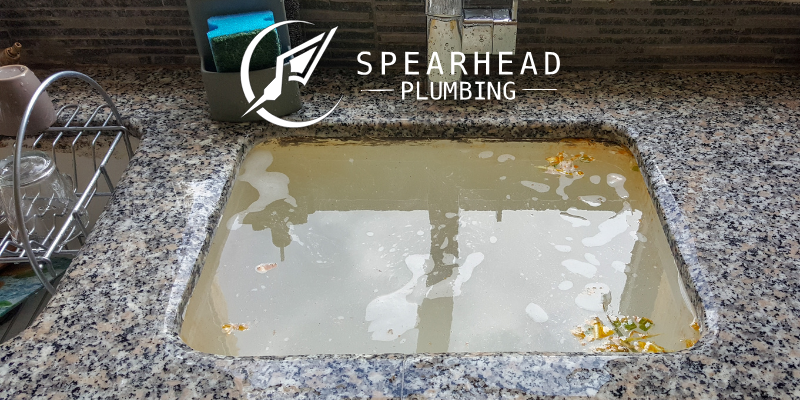
In more advanced cases, wastewater may back up through basement floor drains or showers. This typically happens during heavy usage or rainstorms.
If you see water coming up from a basement drain, stop using water immediately and call a professional.
How Roots Damage the Pipe Itself
Roots do more than clog. They physically damage sewer lines.
As roots expand, they:
- Crack clay pipes
- Separate joints
- Distort cast iron
- Collapse weakened sections
Over time, structural damage may require full pipe replacement.
Diagnosing Root Intrusion
The most reliable way to confirm root intrusion is with a sewer camera inspection.
A plumber inserts a small waterproof camera into the sewer line. The footage reveals:
- Root entry points
- Pipe cracks
- Joint separation
- Collapsed sections
- Debris buildup
Camera inspections eliminate guesswork and allow for targeted repair planning.
Repair Options for Root-Damaged Sewer Lines
Repair depends on how severe the intrusion is.
Mechanical Root Removal
In early stages, a specialized cutting tool clears roots from inside the pipe. This restores flow but does not repair structural damage.
Hydro Jetting
High-pressure water clears debris and root fragments. This method improves flow but may not prevent roots from returning if cracks remain.
Spot Repair
If intrusion is isolated to one section, excavation and replacement of that portion may solve the issue.
Trenchless Sewer Repair
In some cases, trenchless methods can repair or replace the line with minimal digging. This reduces yard disruption.
For significant sewer damage, learn more about trenchless sewer line repair in St. Charles.
Preventing Future Root Intrusion
Complete prevention is difficult if large trees are nearby, but you can reduce risk.
- Schedule routine camera inspections for older homes
- Avoid planting trees directly over sewer lines
- Monitor slow drains early
- Remove invasive roots before they expand
- Replace aging clay lines proactively
Regular maintenance costs far less than emergency excavation.
When Tree Removal Is Necessary
Sometimes homeowners assume cutting down the tree solves the problem.
Unfortunately, roots often remain alive underground for years. Even after removal, existing roots inside the pipe continue to cause blockages.
In severe cases, pipe replacement is still required.
Insurance and Root Damage
Many homeowners are surprised to learn that standard policies often do not cover sewer line damage caused by roots.
It is important to review your coverage and consider optional service line protection.
Documentation from a licensed plumber supports any claims process.
Local Conditions in O’Fallon, St. Peters, and Lake Saint Louis
Established subdivisions throughout St. Charles County feature mature landscaping.
Neighborhoods built decades ago often combine aging sewer materials with large root systems. This combination increases intrusion risk.
Understanding local soil movement and tree density helps plumbers anticipate likely failure points.
The Cost of Waiting
Ignoring early signs of root intrusion can lead to:
- Full sewer backups
- Basement flooding
- Property damage
- Expensive excavation
- Emergency repair rates
What begins as a slow drain can become a complete line collapse.
When to Call a Professional
Call a plumber if you notice:
- Multiple slow drains
- Frequent clogs
- Sewer smells
- Water backing up in the basement
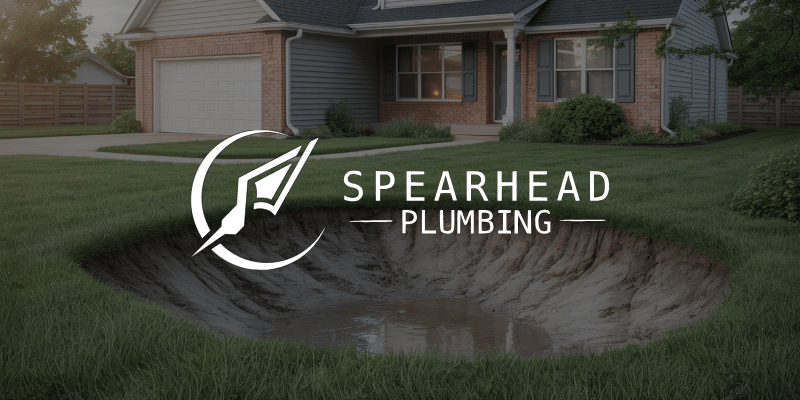
- Yard sinkholes or soft spots
Early diagnosis often allows for less invasive repair.
For full sewer and plumbing system evaluation, review available plumbing services in St. Charles County.
Protect Your Home From Underground Damage
Tree roots and sewer lines do not mix. In St. Charles County, root intrusion is common but manageable when addressed early.
If you suspect roots are damaging your sewer line, professional inspection is the safest next step.
Contact Spearhead Plumbing today to schedule a sewer line evaluation and protect your home from costly underground damage.