Why Your Water Bill Suddenly Spiked (And How Plumbers Find the Cause)

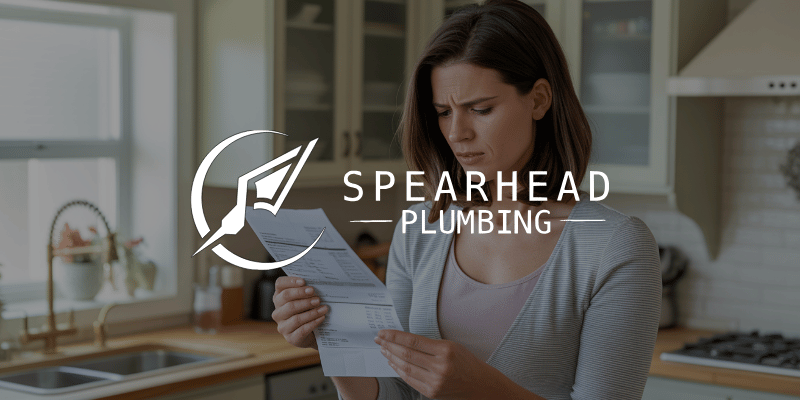
Opening your water bill and seeing a sudden jump is one of the fastest ways to create stress for a homeowner. You did not add a pool. You did not start watering the lawn every day. Nothing about your routine changed, yet your bill is higher than it has ever been.
For homeowners in St. Charles County and surrounding Missouri communities, a sudden spike in water usage is rarely random. In most cases, it is your plumbing system quietly telling you something is wrong. The challenge is figuring out what that something is before the cost keeps climbing or real damage begins.
This guide breaks down the most common reasons water bills spike, how plumbers track down the source, and what you can do to stop the problem before it becomes expensive.
Why Water Bills Spike Without Warning
Water usage inside a home is usually very consistent. Most households follow predictable patterns for showers, laundry, dishes, and cleaning. When a bill jumps significantly, it usually means water is flowing somewhere it should not be.
Unlike electrical issues, plumbing problems often stay hidden. Water can leak behind walls, under floors, or inside fixtures without leaving obvious signs until damage has already started.
The Most Common Causes of Sudden High Water Bills
Running Toilets That Never Fully Shut Off
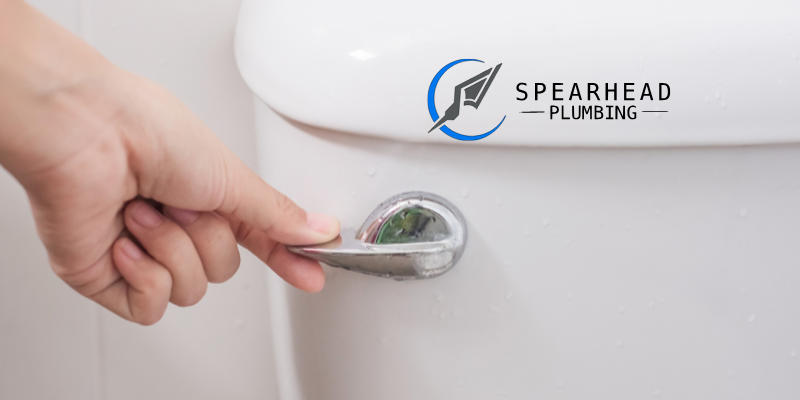
A running toilet is the most common cause of unexplained water usage. Even a small leak from the tank into the bowl can waste hundreds of gallons per day.
Many homeowners do not notice because the sound comes and goes, especially at night. Over a month, this wasted water adds up fast. If your toilet refills on its own or you hear water running long after flushing, it may need professional attention through a proper toilet repair service.
Hidden Leaks Behind Walls or Under Floors
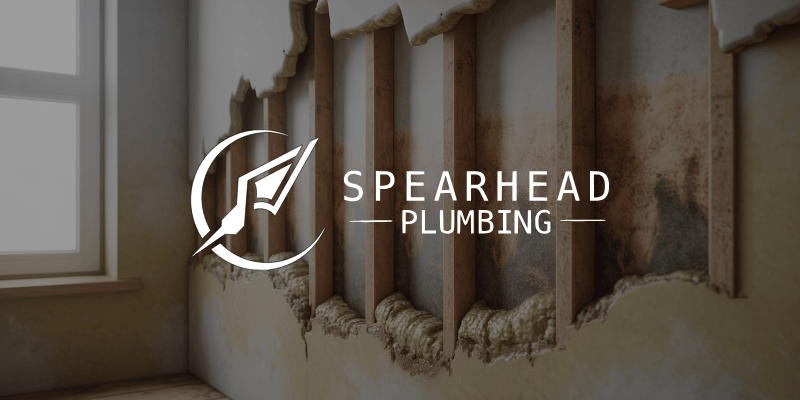
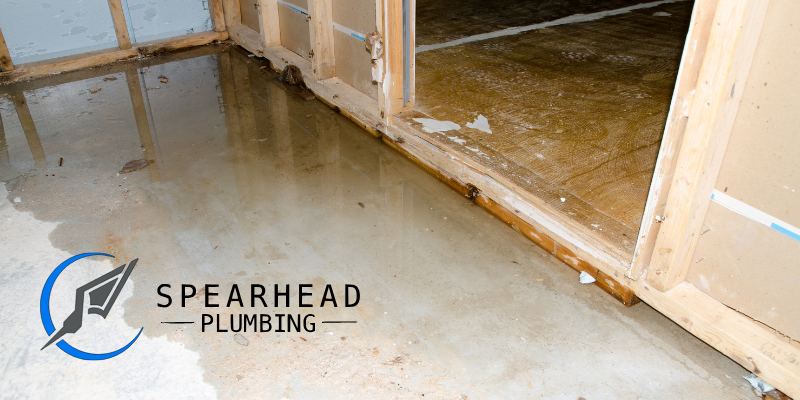
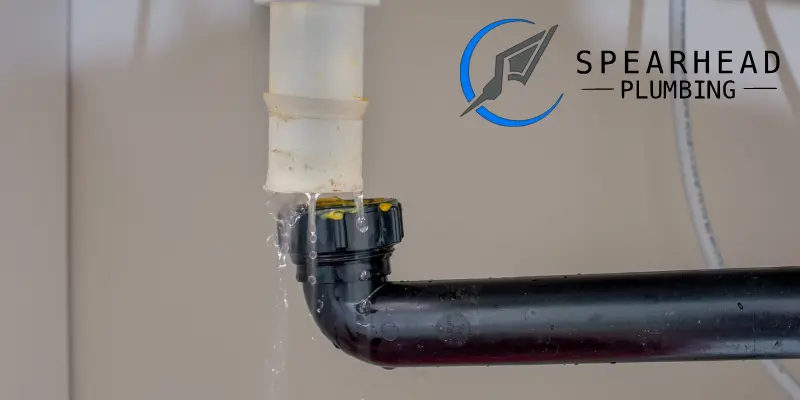
Not all leaks create puddles. Small leaks inside walls, under slab foundations, or beneath flooring can run continuously without visible water. These leaks slowly drive up water bills and often cause mold or structural damage before they are discovered.
Professional plumbers use specialized tools to detect these issues during a leak repair inspection, even when no water is visible.
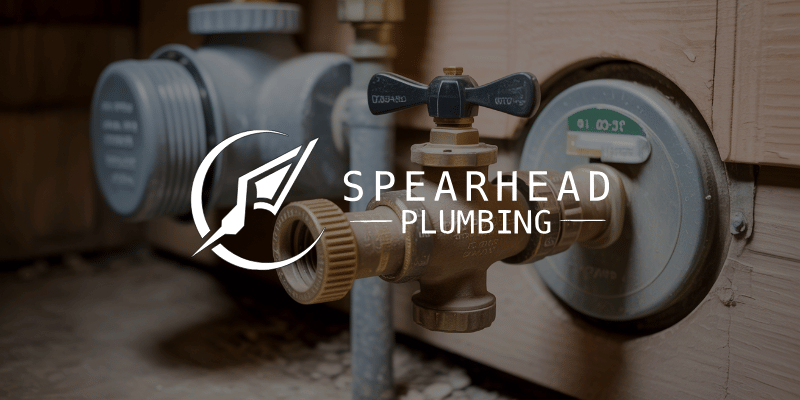
Worn or Failing Plumbing Valves
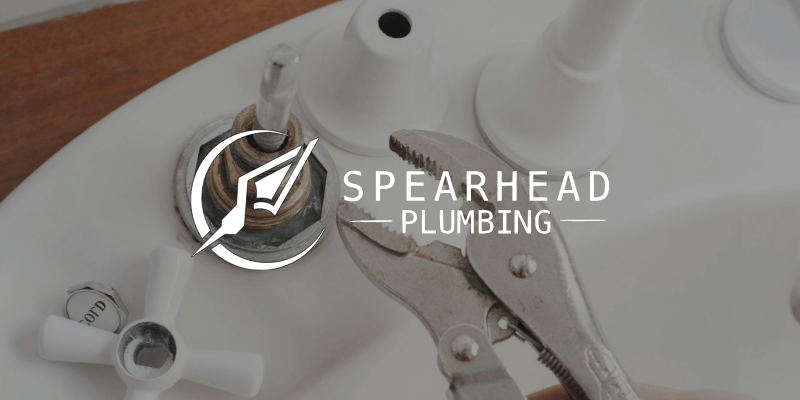
Shutoff valves, supply valves, and internal fixture valves wear out over time. When they begin to fail, they may leak slowly or allow constant water flow even when fixtures are off.
Valve issues are especially common in older St. Charles homes where original plumbing components are still in use.
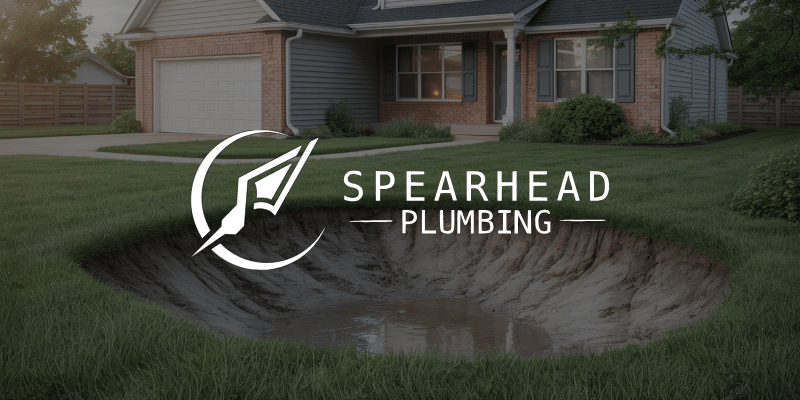
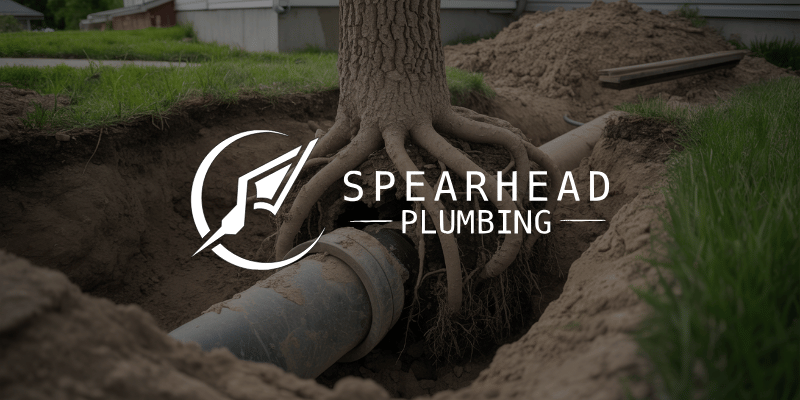
Underground Line Leaks
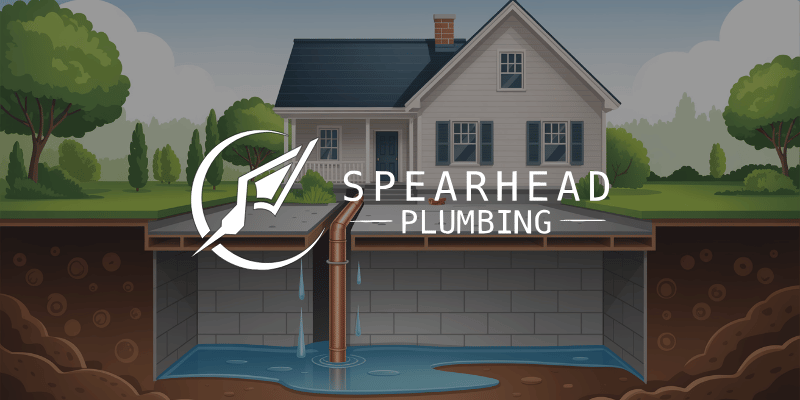
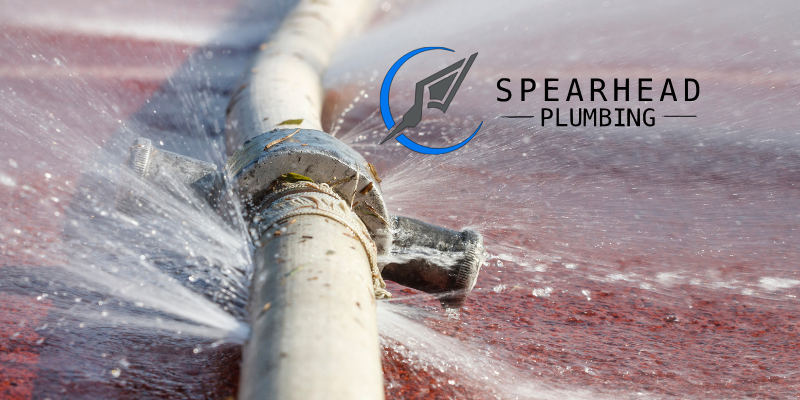
Water lines running from the street to your home can develop leaks due to shifting soil, tree roots, or corrosion. These leaks often go unnoticed because the water never surfaces.
One of the first signs is a sudden spike in water usage without changes inside the home.
Water Pressure Problems
Excessive water pressure can damage plumbing components over time. Seals, valves, and supply lines wear out faster, leading to leaks that steadily increase water usage.
Pressure issues are often identified during a full plumbing system inspection.
Appliances Using More Water Than They Should
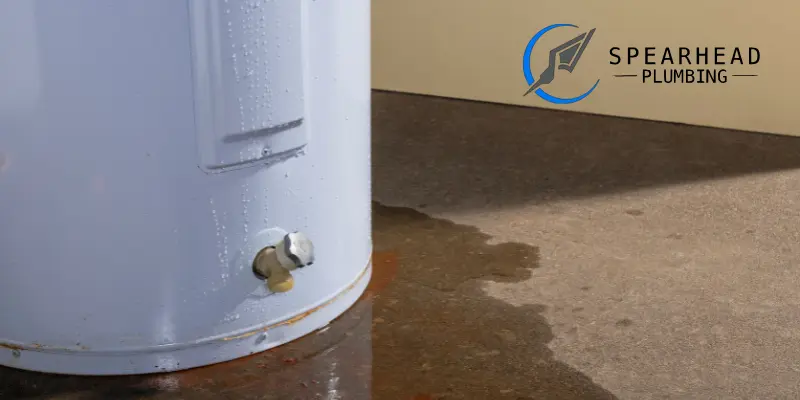
Dishwashers, washing machines, and water heaters can develop internal leaks or malfunctioning valves that increase water usage without obvious signs.
Appliance-related plumbing issues often overlap with fixture and supply line problems that require professional diagnosis.
Why Ignoring a High Water Bill Is Risky
A high water bill is rarely just a billing issue. It is usually an early warning sign of a plumbing problem that will get worse over time.
Ignoring the issue can lead to:
- Structural water damage
- Mold growth
- Flooring and drywall repairs
- Appliance failure
- Major pipe replacements
- Even higher future water bills
Addressing the problem early almost always costs less than waiting.
How Plumbers Track Down the Source of Water Loss
Step 1: Usage Pattern Analysis
A plumber will start by reviewing when and how water is being used. This includes asking questions about recent changes, fixture behavior, and appliance use.
Step 2: Fixture and Valve Testing
Toilets, faucets, hose bibs, and shutoff valves are checked for slow leaks or constant flow. These small leaks are often the biggest contributors to water waste.
Step 3: Pressure Testing
Water pressure is measured to ensure it falls within safe ranges. High pressure often causes repeated leaks and component failure.
Step 4: Leak Detection Technology
Professional plumbers use acoustic sensors, thermal imaging, and pressure testing to locate hidden leaks behind walls or under floors without unnecessary demolition.
Step 5: System-Wide Inspection
When needed, a full inspection of the plumbing system is performed to rule out underground leaks, aging pipes, or failing components that could cause ongoing issues.
This process is part of a thorough plumbing inspection service designed to catch both current and future problems.
Missouri-Specific Factors That Affect Water Usage
Homes in Missouri face unique challenges that can contribute to higher water bills.
Hard Water Buildup
Minerals in hard water gradually build up inside pipes, valves, and fixtures. This buildup prevents components from sealing properly, allowing slow leaks to develop.
Seasonal Soil Movement
Shifting soil due to freeze-thaw cycles can stress underground pipes, especially water service lines running to the home.
Older Housing Stock
Many St. Charles homes were built decades ago with plumbing materials that are more prone to corrosion and leaks over time.
What Homeowners Can Check Before Calling a Plumber
While professional diagnosis is often necessary, homeowners can take a few steps right away.
- Check toilets for silent leaks by adding food coloring to the tank
- Look for damp areas under sinks and around appliances
- Monitor the water meter with all fixtures turned off
- Listen for running water when nothing is in use
- Check outdoor spigots for leaks
If these checks do not reveal the issue, it is time to call a professional.
How Spearhead Plumbing Helps Lower Water Bills
Spearhead Plumbing focuses on identifying the root cause of high water usage, not just treating symptoms. Their approach includes:
- Accurate leak detection
- Fixture and valve repair
- Pressure regulation
- Pipe repairs and replacements
- Long-term prevention strategies
Their team provides comprehensive plumbing services in St. Charles designed to protect both your home and your budget.
Preventing Future Water Bill Surprises
The best way to avoid sudden water bill spikes is through routine maintenance and awareness.
- Schedule annual plumbing inspections
- Replace aging valves and fixtures proactively
- Address minor leaks immediately
- Monitor water bills for unusual changes
- Avoid ignoring small plumbing noises or fixture behavior
Preventative care costs far less than emergency repairs or ongoing water waste.
When to Call a Professional Immediately
You should contact a plumber right away if:
- Your water bill increases significantly without explanation
- You hear water running when nothing is in use
- You notice damp spots, mold, or musty odors
- Your water pressure changes suddenly
- Multiple fixtures show signs of leaking
Early intervention can stop damage before it spreads.
Final Thoughts
A sudden spike in your water bill is not something to shrug off. It is often the first visible sign of a hidden plumbing problem that can quietly drain your wallet and damage your home.
Understanding the causes and acting quickly protects your investment and keeps your plumbing system running efficiently.
If your water bill has climbed and you are not sure why, the team at Spearhead Plumbing is ready to help. From detailed inspections to precise leak repairs, they provide reliable solutions for homeowners throughout St. Charles County.
Contact Spearhead Plumbing today to schedule an inspection and get your water usage back under control.