The Hidden Costs of Low Water Pressure in St. Charles Homes

Low water pressure might seem like a minor annoyance, but for many St. Charles homeowners, it can lead to bigger plumbing issues, higher costs, and even long-term damage. Understanding why it happens, how it affects your home, and when to call in a professional can save you from expensive repairs later.
Why Low Water Pressure Happens
Low water pressure is usually caused by one of a few common issues:
- Mineral buildup inside pipes that narrows the waterway
- Leaks in your plumbing system that divert water before it reaches the tap
- Corroded pipes that have aged and reduced flow
- Faulty pressure regulators that limit water force
- Municipal supply issues that temporarily reduce pressure
Sometimes, the cause is obvious—like a single slow faucet. Other times, the issue runs deep in your plumbing system and requires professional diagnosis.
The Real Costs Behind Low Water Pressure
While slow-filling sinks or showers are inconvenient, the financial and structural impact is what most homeowners overlook.
1. Increased Utility Bills
When water trickles instead of flows, you tend to run faucets longer to get the same job done. This increases both water and energy usage, especially for homes with water heaters.
2. Appliance Wear and Tear
Low water pressure forces appliances like dishwashers and washing machines to work harder. Over time, this strain can shorten their lifespan, leading to costly replacements.
3. Potential for Hidden Leaks
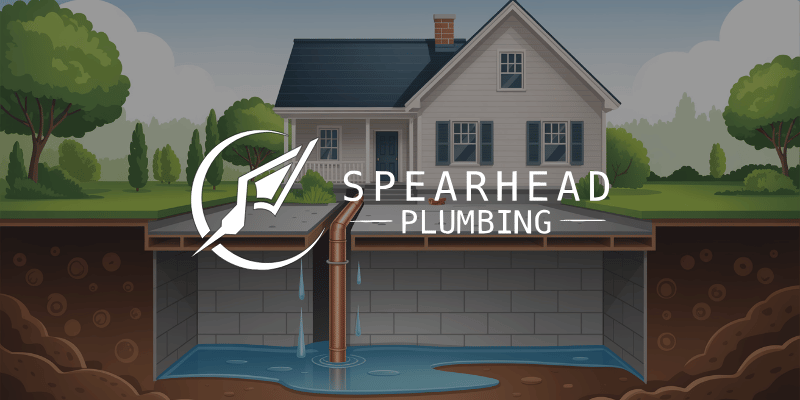
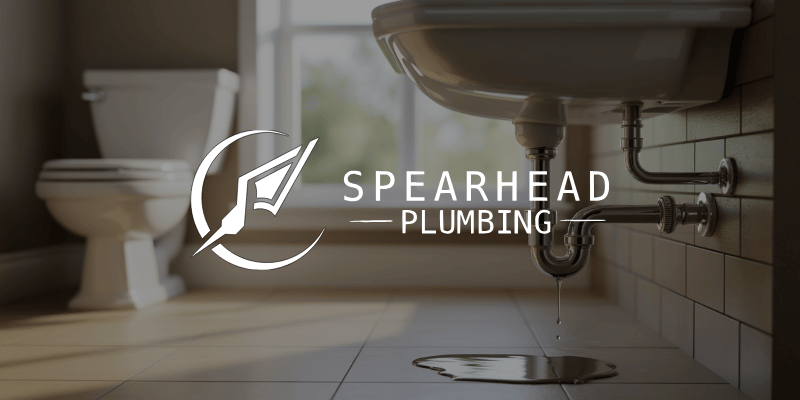
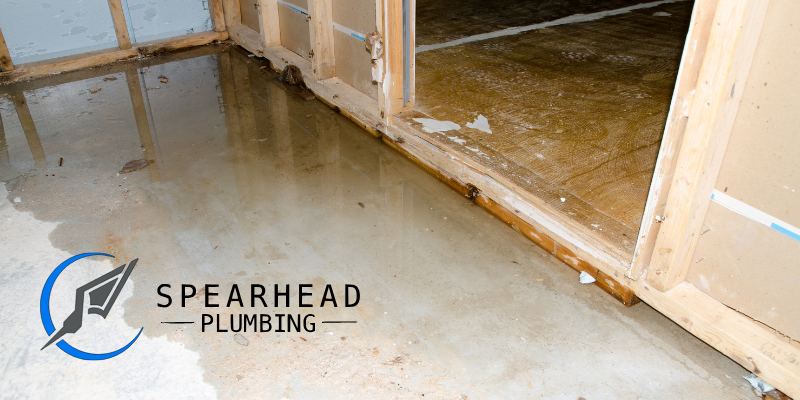
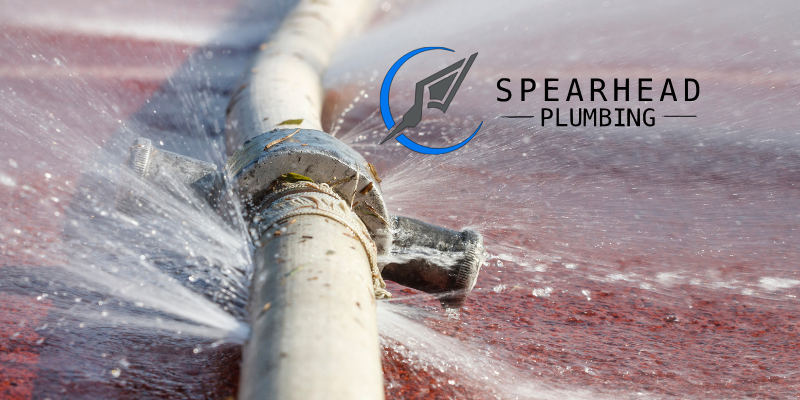
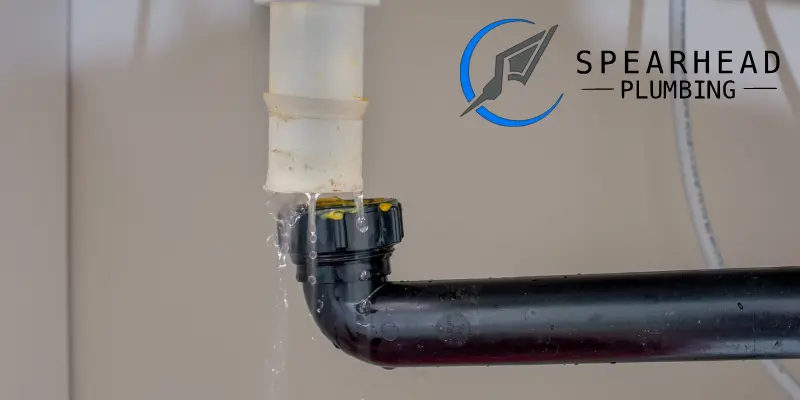
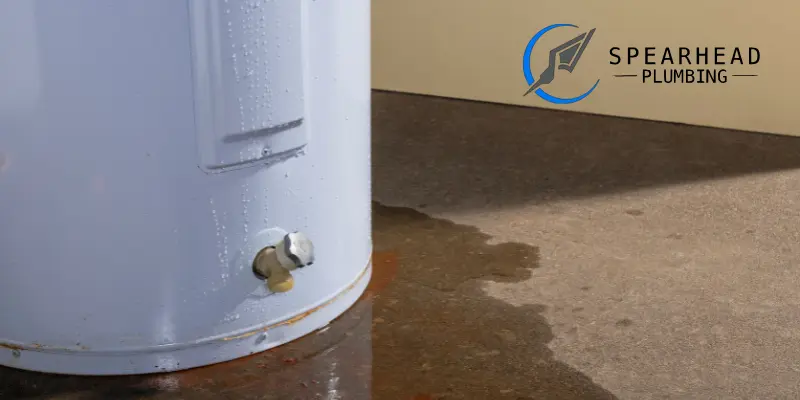
Pressure drops can be a sign of hidden leaks behind walls or under floors. These leaks waste water, cause mold growth, and damage your home’s structure.
4. Decreased Home Value
Persistent water pressure issues can show up during a home inspection. Buyers may see it as a red flag, leading to lower offers or repair requests before closing.
Common Signs Your Water Pressure is Too Low
- Slow flow from multiple fixtures
- Inconsistent temperature during showers
- Appliances taking longer to complete cycles
- Drastic drops in pressure when more than one fixture is used
- Gurgling sounds in pipes
If you notice these signs, it’s time to investigate before the problem worsens.
DIY Checks Before Calling a Plumber
Before calling for professional help, try these simple checks:
- Test multiple fixtures – If only one is slow, it’s likely a localized issue.
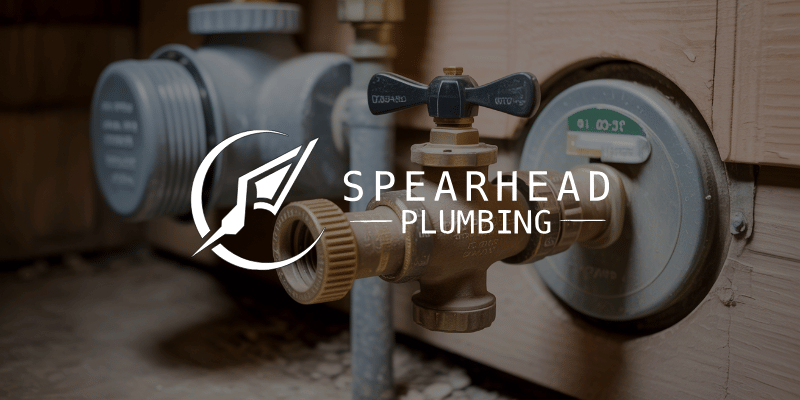
- Check your shut-off valves – They may not be fully open.
- Clean faucet aerators – Mineral buildup here is easy to fix.
- Inspect your water pressure regulator – If you have one, see if adjusting it helps.
If these steps don’t restore normal flow, it’s time to call a plumber.
Professional Solutions for Low Water Pressure
At Spearhead Plumbing, we take a full-system approach to diagnosing pressure problems:
- Leak detection to find hidden sources of water loss
- Pipe inspections to identify corrosion or clogs
- Pressure regulator replacement if the device is faulty
- Pipe replacements or upgrades when outdated materials restrict flow
For homes in St. Charles with older plumbing, upgrading to modern materials like PEX can make a noticeable difference.
Preventing Future Water Pressure Issues
- Schedule annual plumbing inspections to catch issues early
- Install a whole-home water filtration system to reduce mineral buildup
- Replace worn-out washers and gaskets in faucets regularly
- Keep an eye on utility bills for unexplained increases
When to Call a Professional
If you’ve tried the easy fixes and still have low pressure throughout your home, it’s time to bring in a licensed plumber. Quick action can prevent leaks, appliance damage, and higher water costs.
Spearhead Plumbing offers expert plumbing services in St. Charles to help restore your water pressure and protect your home from costly damage. Whether you need leak repair or a complete system inspection, we’re here to help.
Contact us today to schedule your service and enjoy strong, consistent water flow again.