

How Hard Water Damages Pipes, Fixtures, and Water Heaters Over Time

Hard water is one of the most common and least understood plumbing issues in Missouri homes. Many homeowners live with it for years without realizing the damage it causes behind the walls, inside appliances, and throughout the plumbing system. Because the effects build slowly, hard water problems are often mistaken for normal wear and tear until repairs become unavoidable.
For homeowners in St. Charles County and surrounding areas, understanding how hard water affects plumbing helps explain recurring leaks, poor water pressure, failing fixtures, and shortened appliance lifespans. More importantly, it shows why preventative maintenance matters.
What Hard Water Really Is
Hard water contains elevated levels of dissolved minerals, primarily calcium and magnesium. These minerals are not harmful to drink, but they are highly destructive to plumbing systems over time.
As hard water flows through pipes and fixtures, minerals settle out of the water and cling to interior surfaces. This process, known as scaling, is the root cause of many long-term plumbing problems.
Why Hard Water Is Common in Missouri
Much of Missouri’s water supply passes through limestone and mineral-rich ground before reaching homes. This naturally increases mineral content.
In St. Charles County, hard water is a routine condition rather than an exception. Even newer homes experience mineral buildup unless preventative steps are taken.
How Hard Water Slowly Damages Plumbing Systems
Hard water does not cause sudden failures. Instead, it creates gradual, compounding damage that weakens plumbing from the inside out.
Pipe Interior Scaling
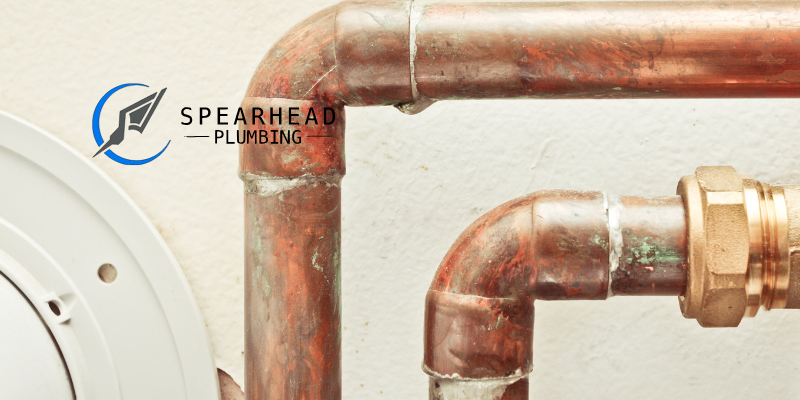
Minerals coat the inside of pipes, slowly narrowing the diameter. As scaling increases, water flow becomes restricted.
Over time, this leads to:
- Reduced water pressure
- Uneven flow between fixtures
- Increased stress on pipes
- Higher risk of leaks
Older metal pipes are especially vulnerable to internal scaling.
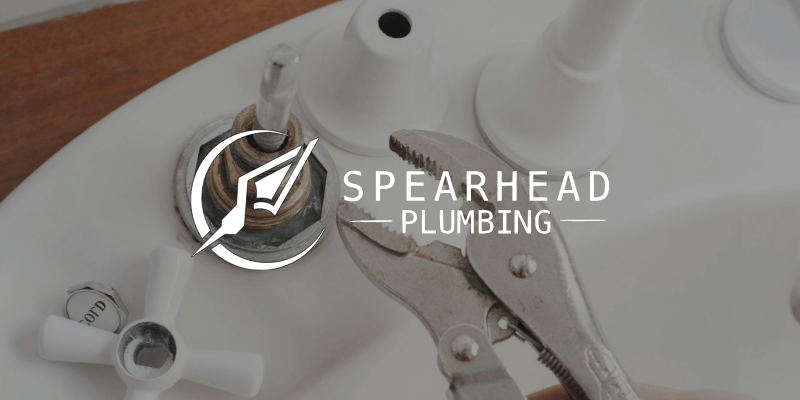
Fixture Wear and Failure
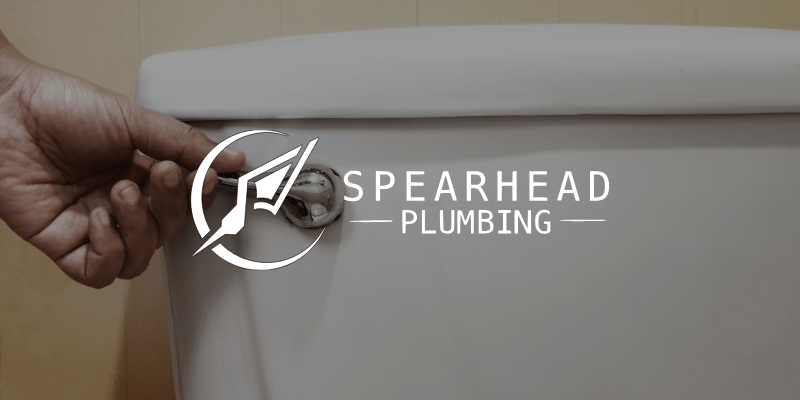
Faucets, shower valves, and toilet components rely on precise seals to function properly. Mineral deposits interfere with these seals, causing:
- Dripping faucets
- Running toilets
- Stiff handles
- Inconsistent temperature control
These issues often require professional plumbing fixture repair or component replacement.
Valve Seizure and Leaks
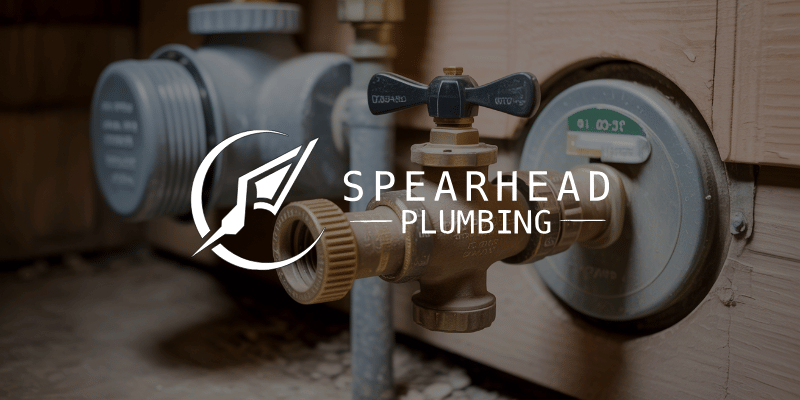
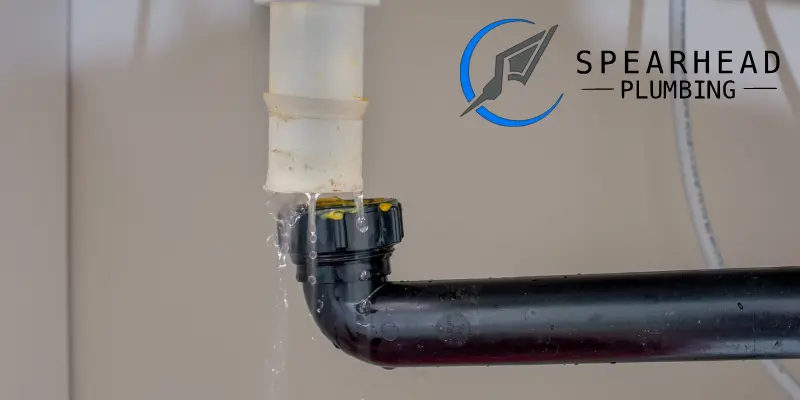
Shutoff valves and control valves are heavily affected by mineral buildup. Over time, deposits cause valves to seize, leak, or fail entirely.
Failing valves are a common discovery during plumbing inspections in hard water areas.
Appliance Damage
Appliances that heat or move water suffer the most from hard water exposure.
Hard water causes:
- Sediment buildup inside water heaters
- Reduced efficiency in dishwashers and washing machines
- Premature appliance failure
- Increased energy usage
Appliance-related plumbing issues often overlap with supply line leaks and valve problems.
The Impact of Hard Water on Water Heaters
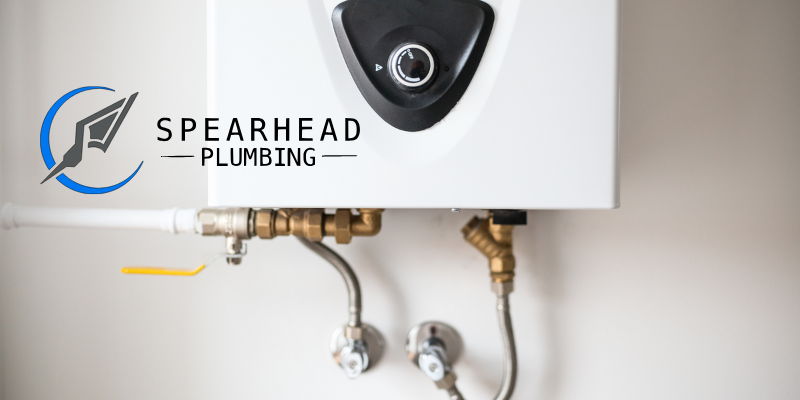
Water heaters are among the most expensive plumbing components in a home, and hard water significantly shortens their lifespan.
Sediment Accumulation
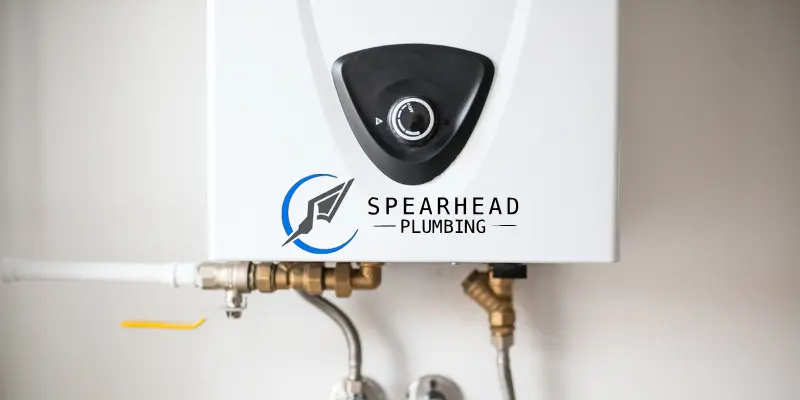
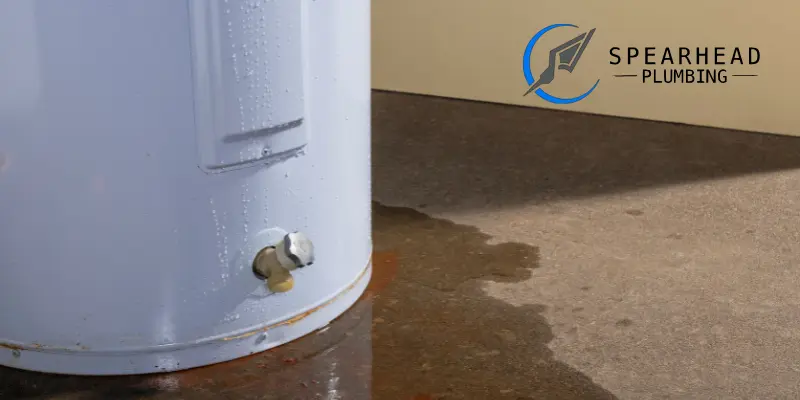
As water heats, minerals separate and settle at the bottom of the tank. This sediment layer insulates the heating element from the water, forcing the heater to work harder.
Over time, this leads to:
- Higher energy bills
- Reduced hot water supply
- Overheating
- Tank corrosion
- Premature failure
Many of these issues are addressed through water heater repair services.
Tank and Component Corrosion
Sediment buildup accelerates corrosion inside the tank. Once corrosion compromises the tank walls, leaks are inevitable.
Tank replacement becomes the only option at that point.
Hard Water and Drain System Problems
While hard water is most often associated with supply lines, it also contributes to drain issues.
Minerals combine with soap residue and grease, forming stubborn deposits that cling to drain walls. This buildup narrows pipes and traps debris, leading to slow drains and recurring clogs.
These problems are commonly addressed through professional toilet and drain repair.
Why Hard Water Increases Plumbing Repair Costs
Hard water creates a chain reaction within plumbing systems.
Mineral buildup causes restricted flow. Restricted flow increases pressure. Increased pressure accelerates wear. Worn components leak. Leaks damage structures.
This cycle leads to:
- Repeated repairs
- Higher water bills
- Shortened fixture lifespan
- Appliance replacement
- Structural water damage
Ignoring hard water issues allows costs to compound over time.
Early Warning Signs of Hard Water Damage
Homeowners often experience warning signs without connecting them to hard water.
Common indicators include:
- White or chalky residue on fixtures
- Frequent faucet or toilet repairs
- Reduced water pressure
- Stiff valve handles
- Short appliance lifespan
- Spotting on dishes and glassware
- Dry skin or hair after bathing
While some signs are cosmetic, many indicate deeper plumbing damage.
How Plumbers Identify Hard Water Damage
Professional plumbers look for patterns rather than isolated symptoms.
Fixture and Valve Evaluation
Plumbers inspect fixtures and valves for mineral buildup, seal wear, and flow restriction.
Pressure Testing
Hard water buildup often leads to pressure irregularities that accelerate damage.
Pipe Inspection
Camera inspections reveal internal scaling and narrowing inside pipes.
Water Heater Assessment
Sediment levels, efficiency, and internal condition are evaluated to determine whether maintenance or replacement is needed.
These steps are typically part of comprehensive plumbing services in St. Charles.
Why DIY Solutions Fall Short
Homeowners often attempt to manage hard water damage with store-bought cleaners or additives. While these may remove surface residue, they do not address internal plumbing buildup.
Chemical cleaners can also damage pipes and worsen corrosion over time.
Professional solutions focus on system-wide prevention and maintenance.
Preventing Hard Water Damage
While hard water cannot be eliminated at the source, its impact can be managed.
Routine Plumbing Inspections
Regular inspections catch early signs of mineral damage before leaks or failures occur.
Proactive Valve and Fixture Replacement
Replacing aging components before failure reduces water waste and repair costs.
Water Heater Maintenance
Periodic flushing removes sediment and extends heater lifespan.
Monitoring Water Pressure
Proper pressure management reduces stress on mineral-affected components.
System-Wide Planning
Addressing hard water requires a holistic approach rather than isolated fixes.
Missouri-Specific Challenges With Hard Water
Missouri’s mineral-rich water means hard water issues are unavoidable without maintenance.
Seasonal temperature changes further stress mineral-affected pipes and joints.
Older homes experience accelerated damage due to outdated materials and installation methods.
When Hard Water Damage Requires Immediate Attention
You should call a professional if:
- Water pressure drops suddenly
- Valves leak or seize
- Water heater performance declines
- Multiple fixtures fail within a short period
- Water bills increase without explanation
These signs indicate system-wide stress caused by mineral buildup.
How Spearhead Plumbing Helps Homeowners Manage Hard Water
Spearhead Plumbing understands how Missouri water conditions affect plumbing systems. Their team evaluates mineral-related damage and recommends targeted solutions to protect pipes, fixtures, and appliances.
Through preventative maintenance, inspections, and repairs, they help homeowners avoid costly failures and extend the life of their plumbing systems.
Their work is part of comprehensive plumbing services in St. Charles designed for long-term reliability.
Planning Ahead Instead of Reacting
Hard water damage is predictable. The key difference between costly repairs and manageable maintenance is timing.
Homeowners who address hard water proactively spend less, experience fewer disruptions, and extend the life of their plumbing systems.
Final Thoughts
Hard water does not destroy plumbing overnight. It works slowly, quietly, and relentlessly. By the time obvious problems appear, damage has often been building for years.
Understanding how hard water affects pipes, fixtures, and water heaters allows homeowners to make informed decisions and protect their homes.
If you suspect hard water is affecting your plumbing system, Spearhead Plumbing is ready to help.
Contact Spearhead Plumbing today to schedule an inspection and protect your home from long-term hard water damage.