

Plumbing Mistakes DIYers Make (and When to Call a Professional)

Plumbing looks simple on the surface. Tighten a fitting, swap a faucet, run a bead of sealant, and you’re done. In reality, small errors can create hidden leaks, damage finishes and subfloors, attract mold, and lead to code violations that show up during a home inspection. For homeowners across St. Charles County, including St. Peters, O’Fallon, Wentzville, and Lake Saint Louis, understanding where DIY goes wrong is the difference between a weekend upgrade and a costly repair.
This guide breaks down the most common plumbing mistakes people make, why they happen, how to avoid them, and when it’s smarter to bring in a licensed professional.
Mistake 1: Overtightening Supply Lines and Fittings
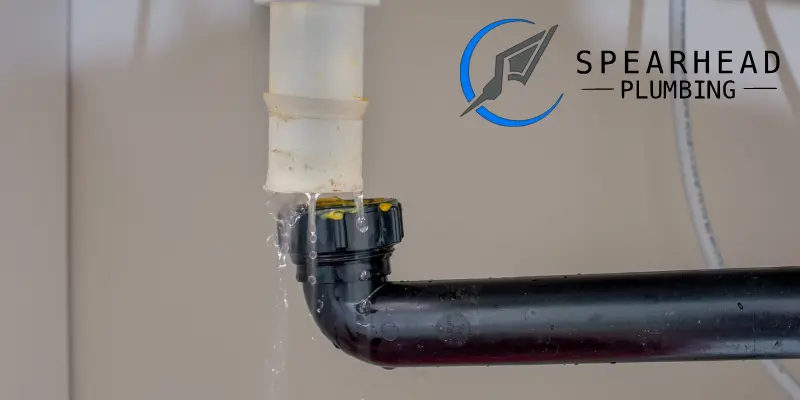
It feels logical to crank a connection as tight as possible. The result is often a cracked plastic fitting, a deformed rubber washer, or a damaged thread that won’t seal again. Overtightening can also split compression ferrules or stress a valve body, creating a slow leak that shows up days later inside a cabinet.
How to avoid it
Use the right torque, not all your strength. Hand tight plus a quarter turn is enough for many compression and trap fittings. If you see a gasket bulging or the fitting feels gritty as you turn it, stop. Replace worn parts rather than forcing a bad seal.
When to call a pro
If you’ve stripped threads, cracked a valve, or can’t stop a slow drip after reassembling, a professional can reseat or replace components and check for hidden damage. If water damage is visible, you need a full inspection to be safe. See local help for leak repair.
Mistake 2: Mixing Incompatible Pipe Materials
Copper to galvanized. PVC to ABS without the right transition. Push-fit connectors on dirty pipe. Mixing materials without proper couplers or dielectric unions invites corrosion, weak joints, and premature failure.
How to avoid it
Plan transitions with the correct fittings and codes in mind. Clean and deburr pipe ends. Use approved transition couplings or unions designed for the materials you are joining.
When to call a pro
Any time a main water line or branch line needs a material transition, a licensed plumber can ensure proper fittings and code compliance, especially in older St. Charles homes where legacy materials are common.
Mistake 3: Skipping Shutoff Valves or Using the Wrong Type
Fixtures without local shutoffs turn a minor repair into a whole-house water outage. DIYers also mix up angle stops, straight stops, and multi-turn valves, or reuse unreliable push-pull shutoffs that fail under pressure.
How to avoid it
Every sink, toilet, dishwasher, and refrigerator line should have accessible shutoffs. Choose quarter-turn ball valves for reliability. Orient valves for easy reach and label if needed.
When to call a pro
If old valves are seized, corroded, or leak from the stem, have them replaced. Professionals can upgrade valves and verify that each fixture has a dependable local shutoff.
Mistake 4: Ignoring Venting and Airflow
A sink drains slowly. A toilet burps when a nearby tub empties. The problem may not be a clog. Poor venting creates negative pressure, pulling water out of traps and inviting sewer odors into the home.
How to avoid it
Never remove a vent line to “make space” during a remodel. Avoid installing cheater vents incorrectly. Each fixture needs proper venting, and long horizontal runs require thoughtful vent placement.
When to call a pro
If drains gurgle, traps run dry, or odors persist, have the vent system checked. A pro can inspect the stack, confirm code compliance, and correct pressure issues that DIY fixes miss. For drain and trap issues, this page is helpful: toilet and drain repair.
Mistake 5: Using the Wrong Sealants and Tapes
PTFE tape on the wrong fittings. Pipe dope on compression threads. Silicone used where a plumber’s putty is needed. The mismatch leads to leaks and callbacks.
How to avoid it
Use PTFE tape only on tapered male pipe threads. Use a compatible thread sealant for gas or high-temp applications as specified. For sink baskets and some drains, plumber’s putty or a specified gasket beats silicone in many cases.
When to call a pro
If you’ve layered tape and sealant and the joint still weeps, the problem may be a damaged seat, misalignment, or the wrong fitting type entirely.
Mistake 6: Underestimating Water Pressure Problems
Low pressure suggests clogged aerators, mineral buildup, corroded lines, or failing pressure regulators. High pressure stresses hoses, supply lines, and appliances. DIY fixes treat symptoms while missing the cause.
How to avoid it
Measure static and dynamic pressure. Clean aerators but check upstream components. Consider a whole-home approach if multiple fixtures are affected.
When to call a pro
If pressure problems occur throughout the house, get a system evaluation. Persistent issues often trace to valves, regulators, or aging supply lines that require professional repair.
Mistake 7: Mis-sizing Traps and Drains
A trap that’s too small clogs. Too large and it won’t maintain a proper seal. Long horizontal runs with too little slope accumulate sludge. Too much slope and water outruns solids, causing blockages downstream.
How to avoid it
Match trap and pipe sizes to fixture requirements and code. Maintain proper slope on horizontal runs. Keep trap arms short and vented correctly.
When to call a pro
If you’ve cleared clogs more than once in the same line, the layout may be wrong. A pro can rework the geometry so it drains the way it should.
Mistake 8: Reusing Old Supply Lines and Gaskets
Braided stainless steel hoses hide age and wear. Rubber washers harden. DIYers reinstall old parts after a fixture swap and discover leaks weeks later.
How to avoid it
Replace supply lines whenever you replace a fixture. Use high quality, burst-resistant hoses. Swap washers and gaskets instead of reusing them.
When to call a pro
If a leak appears behind a new faucet or toilet after a few days, bring in help to inspect for thread damage, misalignment, or a flawed valve body.
Mistake 9: Cutting Into Walls Without a Plan
Opening a wall to chase a leak without understanding the routing risks nicking wires, cutting vent lines, or ignoring an easier access point. Patchwork repairs look bad and hide moisture, inviting mold.
How to avoid it
Use inspection cameras, moisture meters, and careful planning. Start from logical access points like behind removable panels, cabinets, or unfinished ceilings below.
When to call a pro
If the leak source is unclear, get a professional diagnostic. A licensed plumber can isolate lines, pressure test, and minimize demolition.
Mistake 10: Installing Fixtures Without Checking Level and Support
A sink or toilet that’s even slightly out of level stresses seals and leads to rocking, squeaks, and early failure. DIYers often skip shimming or use the wrong caulks.
How to avoid it
Dry-fit first. Check level in two directions. Shim as needed. Use the right seal for the job and caulk where specified to keep pests and moisture out while allowing service access.
When to call a pro
If a toilet rocks or a sink basin flexes the countertop, call for help. Persistent movement will eventually break seals and leak.
Mistake 11: Treating Remodeling as Cosmetic Only
Adding a vanity or moving a shower seems easy until you discover the trap arm is too long, the vent path is wrong, or the drain slope won’t work in the new location. DIY remodels often skip the plumbing plan.
How to avoid it
Design plumbing first. Confirm pipe sizes, vent locations, slope, and access. Check code for clearances and trap distances.
When to call a pro
Before you close walls, have an expert verify rough-in work. For bathroom relocations and new fixture rough-ins, start with this page: bathroom rough-ins.
Mistake 12: Using Chemical Drain Cleaners as a First Step
Harsh chemicals can damage older pipes and traps, endanger skin and eyes, and create a hazard for anyone who later opens the line. They also rarely fix underlying layout issues.
How to avoid it
Try mechanical methods like a proper plunger or drain snake. Clean traps. Address vent and slope problems.
When to call a pro
If clogs are recurring, ask for a camera inspection. A professional can remove buildup safely and correct the cause so it doesn’t come back. If the issue extends beyond a single fixture, look into broader service options on plumbing services.
Mistake 13: Guessing at Shutoffs and System Drains
Opening a system without knowing where the main shutoff is, or how to drain lines safely, creates water hammer, sudden bursts, and trapped water that spills as soon as a fitting loosens.
How to avoid it
Locate and test shutoffs before you begin. Drain the system when necessary. Protect floors and cabinets with towels and pans.
When to call a pro
If your main valve is stuck or the home lacks fixture shutoffs, a plumber can replace and add valves so you can safely service fixtures in the future.
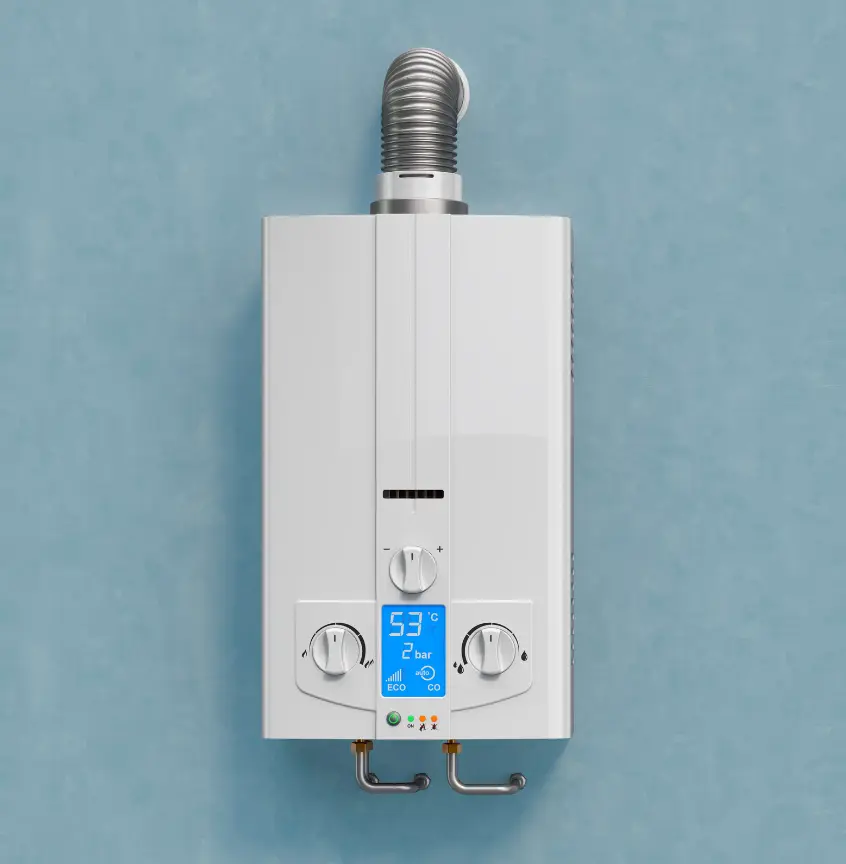
Mistake 14: Ignoring Water Heater Maintenance
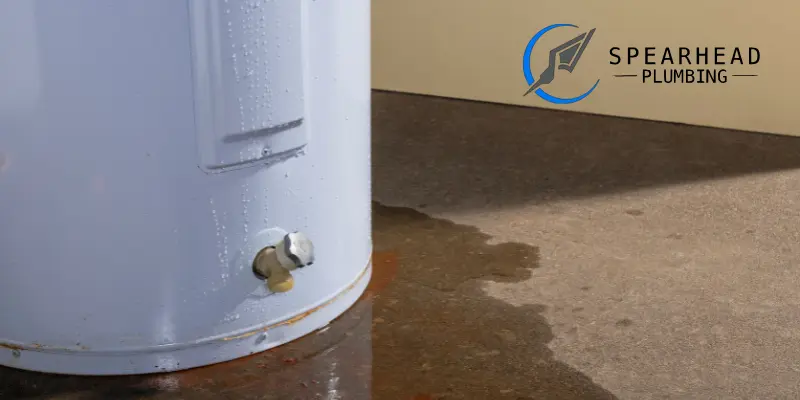
Sediment buildup makes water heaters noisy, inefficient, and short-lived. DIYers skip flushing, pressure relief valve checks, and anode inspections, then face surprise failures.
How to avoid it
Follow a regular flushing schedule. Inspect the anode rod. Check the temperature and pressure relief valve for function and leaks.
When to call a pro
If your water heater is noisy, inconsistent, or older than you think, have it inspected. Repairs and maintenance extend lifespan and protect your home. You can learn more here: water heater repair.
Mistake 15: Forgetting Local Conditions in St. Charles County
Hard water shortens fixture life and clogs aerators. Freeze risk harms exterior spigots and attic lines. Older neighborhoods have mixed materials and legacy layouts. Treating a Missouri home like a generic case leads to surprises.
How to avoid it
Plan upgrades with local water quality and weather in mind. Insulate vulnerable lines. Choose fixtures and valves rated for your conditions.
When to call a pro
A local plumber understands the common failure points in St. Charles, St. Peters, O’Fallon, and Wentzville, and can design fixes that hold up year round.
When DIY Is Reasonable
Some tasks are fair game if you’re comfortable and cautious. Replacing aerators, swapping a showerhead, reseating a toilet flapper, cleaning a P-trap, or installing a new supply hose are manageable with the right instructions and tools. Work slowly, shut off water, and test for leaks with dry tissue at each joint.
When a Professional Is the Best Call
Bring in a pro when any of the following applies:
- You’re opening walls or floors.
- You are moving fixtures or changing a layout.
- You need to tie into existing lines, especially mixed materials.
- Gas lines, venting, or code compliance is involved.
- You’ve had a repeat leak, clog, or odor.
- You plan to sell and want to pass inspection without surprises.
A professional will diagnose root causes, prevent hidden damage, and ensure your investment passes the scrutiny of an inspection or appraisal.
How to Prepare for a Service Visit
Clear the area around fixtures. Note where you saw moisture or heard noises. Take photos of any damage. List recent changes or DIY attempts. Share water bills if they spiked. Good information helps the technician find the cause faster and keep the visit efficient.
The Bottom Line for St. Charles County Homeowners
Plumbing mistakes are common because the system is complex, even when the task looks simple. A small shortcut can lead to a slow leak that ruins cabinets, swells subfloors, and invites mold. Smart DIYers know when to stop and call for help. If you’re unsure, it’s faster and cheaper to get a professional opinion than to undo a hidden problem later.
Ready to make your plumbing safer, quieter, and code compliant? The team serving St. Charles County can help with diagnostics, repairs, upgrades, and remodels. Start with an inspection, fix what needs attention, and get back to enjoying your home.
Contact Spearhead Plumbing to schedule service or ask a question.